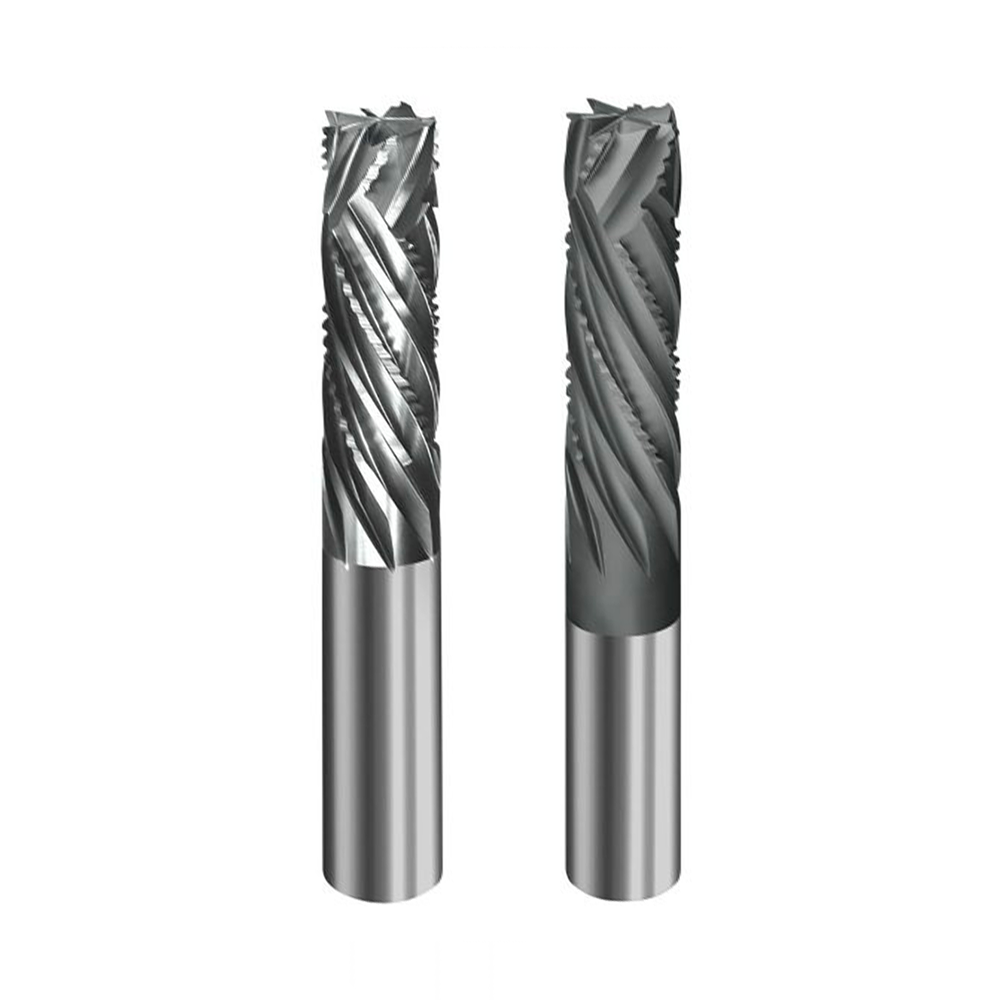
Selecting the correct router bit for your project is essential for achieving precision, efficiency, and extended tool life. Below, we answer common questions to help you determine the best router bit for different applications, including insights into material compatibility, cutting techniques, and best practices.
Which router bit do I need?
The router bit you need depends on your specific project. Factors to consider include:
- Material: Wood, MDF, plywood, acrylic, aluminium, etc.
- Cut Type: Straight cuts, profiling, joinery, decorative work.
- Router Speed & Feed Rates: Optimal speeds extend tool life and improve cut quality.
- Bit Coating: Carbide-tipped or solid carbide bits improve longevity in abrasive materials.
If you’re unsure, our experts at The Cutter Shop can help you choose the right tool for your application. For further guidance, explore our wide selection of router bits or contact our support team for expert advice on bit selection, toolpath strategies, and maintenance best practices.
Which router bit should I use for a plunge cut?
For plunge cutting, use a straight bit, spiral upcut or downcut bit, or a compression bit. Spiral upcut bits offer superior chip removal, reducing burning and improving cutting efficiency, making them an excellent choice for deep plunges. Solid carbide bits offer superior performance and durability in CNC applications, especially at high speeds and when working with abrasive materials. Carbide-tipped bits are more commonly found in hand routing and may not provide the same consistency or lifespan in demanding CNC operations.
Which router bit should I use for flattening slabs?
A slab flattening bit, surfacing bit, or spoilerboard cutter is ideal for leveling large wooden slabs. These bits are typically wide-diameter with multiple cutting edges for efficient material removal. For CNC applications, a flycutter can also be considered for optimal surfacing precision.
Which router bit should I use for a mortise?
The best router bits for mortising include mortising bits, spiral upcut bits, and compression bits. Spiral upcut bits are ideal for efficient chip removal and producing clean bottom edges, while compression bits are a great choice when working with plywood or laminated materials, as they deliver clean edges on both the top and bottom surfaces. Downcut bits may be used when surface finish is a priority, but they require careful chip clearance.
Which router bit should I use for cutting circles?
For CNC routing, spiral upcut bits are commonly used to cut clean, accurate circles while efficiently removing chips. If a smooth edge finish is critical—especially in laminated or veneered materials—a compression bit is ideal, as it shears cleanly on both the top and bottom surfaces. For high-speed production, solid carbide single- or multi-flute end mills offer excellent durability and finish quality, especially in plastics, MDF, and hardwoods.
For production work, CNC users may opt for single-flute or multi-flute solid carbide end mills, depending on the material. Single-flute bits are ideal for softer materials like plastics and aluminium where chip clearance is critical, while multi-flute bits offer better surface finish and durability in hardwoods and composites.
Which router bit should I use for planing?
A spoilerboard surfacing bit, planing bit, or flycutter is used for planing large surfaces, removing imperfections, and preparing slabs or panels. Large-diameter bits with carbide inserts are preferable for extended tool life, particularly for resurfacing MDF, hardwoods, or epoxy-coated materials.
Which router bit should I use for rounding edges?
A roundover bit is perfect for rounding edges, creating smooth transitions, and eliminating sharp corners. Available in various radiuses, these bits allow for precise edge profiling. For high-speed CNC applications, insert carbide roundover bits provide efficiency and durability.
Which router bit should I use for door hinges?
For CNC machining of door hinge recesses, a straight bit or downcut spiral bit is ideal for achieving clean surface edges. A brad point drill bit can be used for accurate pilot holes when mounting the hinges. Downcut bits are especially useful when working with veneered or laminated materials, as they minimise surface tear-out and deliver a crisp, clean pocket.
Which router bit should I use to cut grooves?
A straight bit, dado bit, or V-groove bit is used for cutting grooves. For high-precision joinery, a box-joint bit can create tight-fitting joints, while a core box bit is preferred for rounded grooves. When cutting grooves in laminates or veneered materials, using a downcut spiral bit prevents tear-out.
Which router bit should I use for carving letters?
A V-groove bit, engraving bit, or a ball-nose bit is best for carving letters into wood, acrylic, and composites. The depth and sharpness of the cut depend on the bit angle, with 60-degree and 90-degree V-groove bits being common for sign-making.
What factors should I consider when choosing a router bit?
When selecting a router bit, consider:
- Material Compatibility – Choose bits designed for the material you’re cutting.
- Bit type – Choose from straight bits, spiral bits (including upcut, downcut, and compression), profile bits, and specialty bits.
- Bit size and diameter – Larger bits can provide smoother cuts and are suitable for deeper passes, but they require a more powerful CNC spindle. As a general rule, solid carbide tools can cut up to twice their diameter in one pass (e.g. a 6mm bit can cut 12mm deep), and larger tools (12mm and above) can often cut up to 2.5× their diameter, depending on the material and setup.
- Shank size – Larger shank sizes (e.g. 12mm or 1/2-inch) generally offer greater rigidity, allowing for faster cutting speeds and reduced vibration, especially with larger-diameter tools. However, smaller shanks (e.g. 6mm or 1/4-inch) are useful for finer, more detailed work where manoeuvrability and precision are key. The right choice depends on your tool diameter, material, and cutting application.
- Cutting Depth – Ensure the bit can reach the required depth without excessive passes.
- Router Speed & Feed Rate – Match the speed settings and feed rates to the material and bit type to avoid the tool burning out or breaking the tool.
READ: Top Tips For Choosing CNC Router Tools
What Is the Difference Between Carbide-Tipped and Solid Carbide Router Bits?
- Carbide-Tipped Bits – Have a steel body with carbide edges, offering durability and affordability.
- Solid carbide bits – Made entirely from carbide, these bits offer excellent performance, long lifespan, and the ability to cut at high speeds. They’re ideal for CNC applications that demand precision, repeatability, and efficient material removal across a wide range of materials.
How do I determine the correct feed rate and router speed for my bit?
- Smaller Bits – Require higher RPMs (18,000–24,000) for clean cuts.
- Larger Bits – Operate at lower RPMs (8,000–14,000) to prevent burning and overheating.
- Material-Based Adjustment – Hardwoods and metals require slower feed rates, while plastics and MDF perform better at moderate speeds.
- Chip Load Calculation – Ensuring the correct chip size (material removed per cutting edge per revolution) helps optimise tool life and cut quality.
What is the lifespan of a router bit, and how can I extend it?
The lifespan of a router bit depends on:
- Material Cut – Harder materials wear out bits faster.
- Usage Frequency – Frequent heavy use leads to quicker dulling.
- Proper Maintenance – Cleaning, sharpening, and proper storage extend tool life.
- Cooling and Lubrication – Using air or mist coolants can reduce heat buildup in certain materials.
- Correct feeds and speeds
Which router bit should I use for cutting dovetail joints?
A dovetail bit is specifically designed for creating dovetail joints, commonly used in cabinetry and drawer construction.
What is the best router bit for making tongue and groove joints?
A matched tongue and groove bit set ensures precise and interlocking joints for flooring and paneling applications.
Which router bit should I use for edge profiling?
A roundover bit, ogee bit, or chamfer bit is ideal for edge profiling, depending on the desired finish.
What router bit should I use for making decorative moldings?
A cove bit, Roman ogee bit, or classical bit is perfect for decorative moldings, adding intricate detail to woodwork.
Which router bit should I use for sign-making or engraving?
A V-groove bit is the best choice for sign-making and engraving, allowing sharp, precise lettering and decorative detailing.
If you’re unsure, our experts at The Cutter Shop can help you choose the right tool for your application. For further guidance, explore our wide selection of router bits or contact our support team for expert advice on bit selection, toolpath strategies, and maintenance best practices.