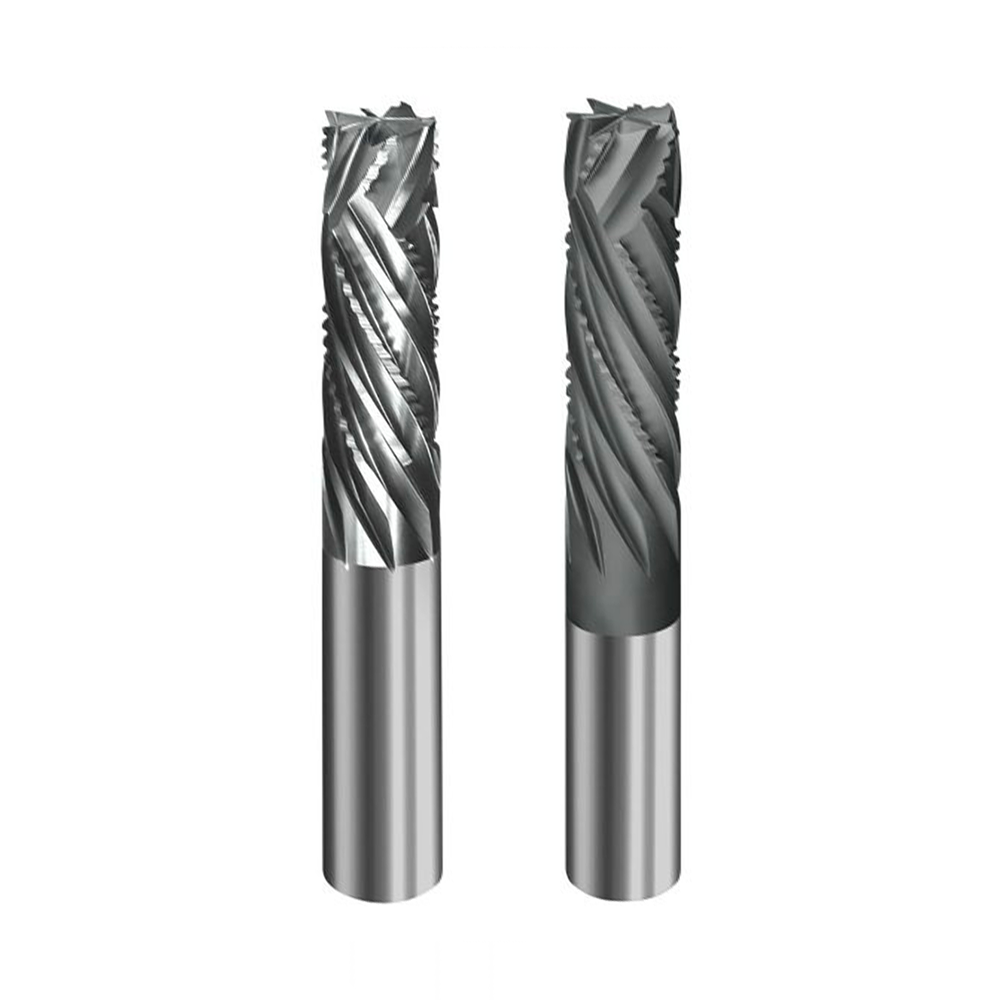
Router bits are indispensable tools in woodworking. They allow woodworkers to cut, shape, and refine materials with precision and consistency. Router bits come in a wide array of types and uses, each crafted for specific applications, from creating strong joints to adding decorative edges and grooves.
Choosing the right bit for each task is key, as the correct choice ensures smooth, accurate cuts, saves time, and elevates the overall quality of the project. While router bits are often associated with woodworking, many are designed to work with materials like plastic and non-ferrous metal, making routers versatile tools for a variety of projects.
As such, a router bit guide is essential for anyone looking to cut, shape, and refine materials with precision and consistency. This router bit buying guide will help users select the best router bit types and uses for their projects, providing the knowledge to work efficiently and achieve professional results.
Grooving bits
Grooving bits are essential tools for creating straight slots, grooves and dados in woodworking projects. They are also perfect for crafting channels and recesses, which are foundational for many joinery applications.

Straight bits
Straight bits are the most common for creating square-bottomed grooves, dados and mortises, providing a clean, straight cut ideal for joinery and slots in wood and plastics.
Best uses: Creating straight grooves, dados (slots cut across the grain), mortises (slots in the surface for inserting another part) and in plastic when trimming.
Materials: Typically used on wood (hardwood, softwood, plywood), some plastics and, in specific cases
Compatible machines: Suitable for handheld routers, router tables and CNC machines.
Why use: Straight bits are straightforward, making them essential for creating slots for joinery, shelving and general woodworking. They’re easy to control, making them great for beginners.
//link to relevant product/category page//
Slotting and grooving bits
These bits are designed for cutting precise slots and grooves. They are used in projects that require narrow channels or decorative inlays.
Best uses: Cutting narrow slots and grooves, often for adding decorative or functional details.
Materials: Works well with wood and plastics, but specialised bits are available for other materials like aluminium.
Compatible machines: Handheld routers, router tables and CNC machines.
Why use: They are designed to create clean, consistent grooves and slots with precision, ideal for applications like flooring and furniture making.
//link to relevant product/category page//
Edge-forming bits
Edge-forming bits add decorative profiles and smooth, finished edges to woodworking pieces. From rounded corners to angled chamfers, these bits elevate projects by enhancing the visual appeal and tactile quality of edges.
Roundover and ovolo bits
These bits add rounded edges to wood and plastic, giving projects a soft profile and smooth finish that enhances both appearance and safety.
Best uses: Rounding edges and adding smooth profiles for safety or decorative purposes.
Materials: Primarily used with wood but can also work on certain plastics and softer metals with appropriate bit material.
Compatible machines: Handheld routers, router tables and CNC machines.
Why use: Roundover bits create rounded edges that are smoother to the touch, enhancing a piece’s finish.
//link to relevant product/category page//
Cove and core box bits
Ideal for creating concave quarter-circle shapes, cove bits are commonly used for decorative edging and mouldings.
Best uses: Creating concave quarter-circle shapes commonly found in table edges, mouldings and decorative work.
Materials: Designed for wood, but they can also shape certain plastics.
Compatible machines: Handheld routers, router tables and CNC machines.
Why use: Ideal for adding decorative, curved edges to pieces, giving furniture and woodwork a more refined look.
//link to relevant product/category page//
Chamfer and bevel bits
Chamfer bits cut angled edges, adding visual interest or structural relief to edges and corners.
Best uses: Cutting angled edges for structural or decorative purposes.
Materials: Suitable for wood, certain plastics and soft metals.
Compatible machines: Handheld routers, router tables and CNC machines.
Why use: Chamfer bits create precise angled cuts, which are useful for creating bevelled edges and adding architectural detail.
//link to relevant product/category page//
V-Groove bits
V-groove bits cut clean V-shaped grooves, making them a popular choice for sign-making and decorative engraving.
Best uses: Adding V-shaped grooves, often used for sign-making and decorative engraving.
Materials: Effective on wood, plastics and some (non-ferrous) metals.
Compatible machines: CNC machines and router tables are ideal, but they can also be used with handheld routers.
Why use: V-Groove bits are perfect for sign-making and decorative cuts, adding clean lines and visual interest.
//link to relevant product/category page//
Beading bits
Beading bits are used to add decorative rounded profiles, creating detailed edges that give furniture and trim a polished, professional look.
Best uses: Adding rounded, decorative profiles to edges.
Materials: Primarily for wood and compatible with certain plastic materials.
Compatible machines: Handheld routers and router tables.
Why use: Beading bits create detailed profiles, adding a professional finish to furniture edges and mouldings.
//link to relevant product/category page//
Roman ogee bits
This bit type forms classic S-shaped profiles on mouldings and furniture, adding traditional elegance to woodworking projects.
Best uses: Crafting decorative S-shaped edges on mouldings and furniture.
Materials: Used primarily on wood.
Compatible machines: Handheld routers, router tables and CNC machines.
Why use: Ideal for furniture and trim, ogee bits add classical detail and elegance.
Joinery bits
Joinery bits are specialised for creating strong, interlocking connections between wood pieces. They are designed to help construct secure joints, which are essential for building sturdy furniture, cabinetry, and frames.
//link to relevant product/category page//
Dovetail bits
Dovetail bits are used to create strong, interlocking dovetail joints, commonly seen in drawers and cabinets for their strength and aesthetic appeal.
Best uses: Cutting dovetail joints for strong, interlocking connections in drawer construction and box-making.
Materials: Works best with wood.
Compatible machines: Due to precision requirements, router tables and CNC machines are preferred, but skilled use with handheld routers is possible.
Why use: Dovetail bits allow for strong, aesthetically pleasing joints commonly used in high-quality furniture.
//link to relevant product/category page//
Rabbeting bits
Perfect for creating L-shaped shoulders along edges, rabbeting bits are often used in joinery to create frames and casework.
Best uses: Creating L-shaped shoulders (rabbets) along the edges of workpieces for joinery.
Materials: Wood and some types of plastic.
Compatible machines: Handheld routers, router tables and CNC machines.
Why use: Rabbeting bits make quick work of creating joints for frames, cabinets and cases.
//link to relevant product/category page//
Glue joint bits
These bits create interlocking edges for glue joints, helping to increase strength in wide panel and tabletop assemblies.
Best uses: Forming interlocking edges, improving the strength of glued joints.
Materials: Primarily used for wood.
Compatible machines: Router tables and CNC machines.
Why use: Glue joint bits are engineered for solid, well-aligned joins, ideal for wide panels and table tops.
//link to relevant product/category page//
Tongue and groove bits
Used to cut matching tongues and grooves, these bits are essential for joining boards securely in panelling, doors and flooring.
Best uses: Creating matching tongues and grooves in panels, flooring and doors.
Materials: Wood.
Compatible machines: Router tables and CNC machines.
Why use: These bits simplify the process of joining boards, creating precise, secure connections for panelling and flooring.
Trimming and specialty bits
Trimming and specialty bits offer versatility for precise finishing and detailed work. They include bits for template routing, edge trimming and even panel shaping, making them valuable for custom, intricate cuts and final touches.
//link to relevant product/category page//
Flush trim bits
Flush trim bits align edges with templates or adjoining surfaces, making them ideal for pattern replication and edge refinement.
Best uses: Trimming edges flush to templates or adjoining surfaces.
Materials: Suitable for wood, plastics and some composites.
Compatible machines: Handheld routers, router tables and CNC machines.
Why use: Flush trim bits make it easy to replicate patterns and achieve precise, even edges, especially useful in cabinetmaking.
//link to relevant product/category page//
Pattern bitsFlush trim bits
Similar to flush trim bits, pattern bits follow a template for precise, consistent cuts, useful for repeated shapes and complex patterns.
Best uses: Template routing for cutting consistent shapes and patterns.
Materials: Wood, plastics.
Compatible machines: Handheld routers, router tables and CNC machines.
Why use: They allow for precise cuts following templates, making them ideal for production work.
//link to relevant product/category page//
Panel raising bits
Panel raising bits shape raised panels for cabinet doors, giving depth and traditional appeal to door and panel designs.
Best uses: Shaping raised panels for doors and cabinetry.
Materials: Wood.
Compatible machines: Router tables and CNC machines.
Why use: Panel raising bits are crucial for creating traditional, recessed door panels in cabinetry.
//link to relevant product/category page//
Drill and hinge bits
Designed for drilling clean, uniform holes and hinge recesses, these bits are essential for cabinetry and furniture assembly.
Best uses: Drilling hinge recesses and creating clean, uniform holes.
Materials: Wood, softer metals and some plastics.
Compatible machines: Handheld routers, router tables and CNC machines.
Why use: Essential for cabinetry and furniture making, ensuring precision in hinge placement.
//link to relevant product/category page//
Spiral bits
Available in upcut, downcut and compression styles, spiral bits provide smooth, precise cuts and are ideal for plunge cuts, edge finishing and CNC routing.
Best uses: General-purpose routing, plunge cuts and cutting clean edges. Types include upcut (for fast chip removal), downcut (reduces tear-out) and compression (combines upcut and downcut for smooth edges on both sides).
Materials: Suitable for hardwoods, plywood, MDF, certain plastics and aluminium.
Compatible machines: CNC machines, router tables and handheld routers.
Why use: Spiral bits offer smooth cuts and are particularly useful in plunge cutting and complex CNC applications.
Not sure what bit you might need? Get in touch, we’re happy to help!