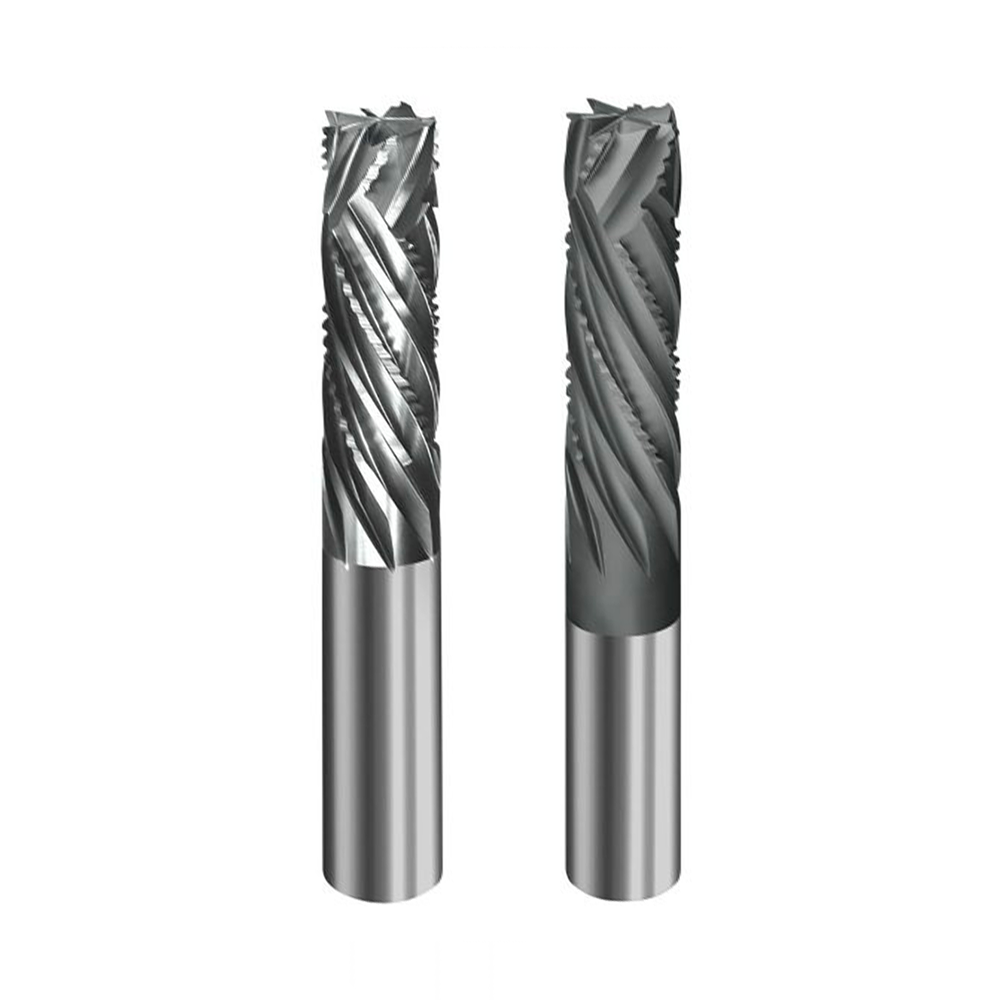
Aluminium can look intimidating on a router, but it doesn’t have to be. With the right cutters and a few smart choices, you can achieve clean edges, consistent tolerances and a finish you’ll be happy to show a client. The trick is managing heat and chips: keep the edge sharp, keep the chips moving and keep the cut stable.
In this guide, we focus on the practical decisions that matter day to day — which bit geometry to choose, how many flutes, when coatings help and how to set feeds, speeds and toolpaths so the tool cuts instead of rubs. It’s written for busy professionals who want clear, field-tested advice they can apply on the next job, with a strong emphasis on getting more from the tooling you already trust.
Why aluminium behaves differently – and what that means for tooling
Aluminium is a comparatively soft metal, but it is not forgiving. Its thermal conductivity, ductility and tendency to form a built-up edge mean three things matter more than anything else: the cutting edge must be sharp and stay sharp; chips must be cleared as they are formed; and the cut needs to remain cool and stable throughout the toolpath. Those needs flow directly into your tooling choices. You will favour geometries that evacuate chips aggressively, polished flutes that resist material adhesion and coatings that discourage aluminium from smearing or welding to the edge. You will also avoid geometries that trap chips within the kerf, such as downcut spirals and you will use workholding that keeps the workpiece absolutely still.
Choosing the right cutter geometry
Selecting a cutter for aluminium starts with geometry. The profile of the flute, the rake and relief angles and the direction in which the spiral moves chips all influence how heat and chips are managed.
- Single-flute O-flute end mills/bits
- The workhorse for routers. The large flute cross-section provides generous chip space and a highly polished surface that sheds material. Use these for sheet and plate work, thin-walled features and general profiling where chip evacuation is the primary concern.
- Two-flute carbide end mills (upcut)
- The extra tooth adds strength and can improve finish and productivity on more rigid machines or where a mist system is available. For thicker plate or small internal features, two flutes strike a good balance between strength and chip room.
- Specialist aluminium geometries
- Some tools combine a high-helix upcut with mirror-polished flutes and edge prep optimised for non-ferrous materials. Where available, these deliver better surface integrity and longer life in production environments.
- Ball nose end mills
- Use when 3D surfacing or blending contoured forms in aluminium. For finishing, choose a two-flute ball nose with polished flutes.
- What to avoid
- Downcut spirals and compression cutters trap chips in the cut and elevate heat. Straight flutes have a place in very thin sheet or engraving but are rarely optimal for general aluminium routing.
- Downcut spirals and compression cutters trap chips in the cut and elevate heat. Straight flutes have a place in very thin sheet or engraving but are rarely optimal for general aluminium routing.
Quick selector by use-case
- Thin sheet and panels, slotting and profile: single-flute O-flute.
- Plate and billet, pockets and profiles on a rigid setup: two-flute upcut carbide.
- 3D surfacing: two-flute ball nose with polished flutes.
- Aluminium composite material (ACM): single-flute O-flute for the aluminium skins; a V-groove tool for fold-back operations.
Tool substrate and coatings that make a difference
The substrate and surface treatment determine how long your edge stays keen under heat and friction.
- Solid micro-grain carbide
- This should be your default. It is rigid, wear-resistant and retains a sharp edge under router-level spindle speeds.
- HSS
- HSS has a lower upfront cost but loses its edge quickly in aluminium at router RPMs. It can be useful for prototypes or occasional work, but it is a false economy in production.
- Coatings for non-ferrous metals
- The goal is to reduce friction and resist built-up edge. DLC (diamond-like carbon), ZrN (zirconium nitride) and TiB₂ (titanium diboride) are proven options for aluminium. They lower the coefficient of friction and discourage chip adhesion without creating a thermal barrier that would trap heat at the edge.
- Polished flutes
- Whether coated or uncoated, a mirror-polished flute is critical. It helps chips slide out rather than stick, which directly improves finish and tool life.
- Whether coated or uncoated, a mirror-polished flute is critical. It helps chips slide out rather than stick, which directly improves finish and tool life.
For most router applications we recommend polished solid carbide with DLC or ZrN, especially where you intend to cut dry with an air blast or with only minimal lubrication.
Flute count and diameter – balancing strength, chip room and detail
Aluminium rewards chip space. Each additional flute reduces the available room for chips at a given diameter, which is why single-flute and two-flute tools dominate on routers.
- Single flute
- Maximum chip space, excellent for dry cutting with an air blast. Particularly effective in sheet and thin plate where chip evacuation is the limiting factor.
- Two flute
- Better edge strength, often a better finish and the possibility of higher feed rates on rigid setups. Works well with mist or micro-drop lubrication.
- Three or more flutes
- Typically avoided on routers because chip space becomes too restricted and chips re-cut, driving up heat.
- Typically avoided on routers because chip space becomes too restricted and chips re-cut, driving up heat.
Diameter influences both strength and the chip that a tooth can produce without rubbing. Smaller diameters offer detail but are more sensitive to runout; larger diameters are stronger and allow deeper step-downs but increase cutting forces. As a practical range:
- 3–4 mm for small features, thin slots and engraving details.
- 6–8 mm for general profiling and pocketing on plates around 6–20 mm thick.
- 10–12 mm for heavier stock removal, surfacing and larger features on rigid machines.
Always match shank size to the correct collet and check collet condition. Worn collets increase runout, generate heat and shorten tool life.
Feeds, speeds and chip load – where most problems begin
If the cutter rubs rather than cuts, it heats up, aluminium smears onto the edge and the tool fails. If the feed is excessive for the rigidity of the setup, the tool chatters and edges tear. The aim is to maintain a positive chip load so the edge shears material and ejects a well-formed chip.
Starting points for routers (guide figures)
- Spindle speed
- 12,000–18,000 RPM (higher RPM increases rubbing risk; higher diameter tools prefer the lower end of this range).
- Chip load per tooth
- 0.05–0.15 mm for 3–8 mm tools; 0.08–0.20 mm for 10–12 mm tools (setup dependent).
- Feed rate
- Calculated from chip load × teeth × RPM. For example, a 6 mm single-flute at 0.10 mm/tooth and 16,000 RPM gives 1,600 mm/min.
- Axial depth of cut (step-down)
- 0.5–1.0 × tool diameter in adaptive strategies; 0.3–0.5 × diameter for conventional slotting on less rigid setups.
- Radial width of cut (step-over)
- 10–30% of diameter for adaptive clearing; up to 50% for finishing passes where load is light.
- 10–30% of diameter for adaptive clearing; up to 50% for finishing passes where load is light.
These are not absolutes. Every machine, spindle, workholding method and material grade will influence the numbers. Use them to get into the right zone, then tune up or down while watching chip shape and listening for chatter. You are aiming for bright, curled chips, not dust or long stringers and a steady, confident cutting sound rather than a squeal.
Try our: Feeds and Speeds Calculator for CNC machine tools
Cooling, lubrication and chip evacuation
Heat management is non-negotiable. The choice of cooling method should match your workshop, the job and your machine’s capabilities.
- Directed air blast
- A reliable baseline for routers. It clears chips from the cut and provides some cooling without wetting the machine. Combine with polished flutes for best results.
- Mist or micro-drop lubrication
- A light oil-in-air system dramatically reduces built-up edge and can transform tool life and finish. Choose a non-staining lubricant designed for aluminium. Ensure your extraction system and enclosure are appropriate.
- Wax or lubricant sticks
- Useful for intermittent cutting or engraving. Apply sparingly to the tool; reapply as needed. Less consistent than mist but better than dry when adhesion is a problem.
- Flood coolant
- Effective but rarely practical on open-bed routers not designed for wet use.
- Effective but rarely practical on open-bed routers not designed for wet use.
Whatever method you adopt, make sure chips are not allowed to accumulate in slots and pockets. Re-cutting hot chips is a fast way to ruin an edge.
Workholding and machine stability
Even the best cutter cannot overcome a poor setup. Aluminium highlights any wobble, flex or vibration.
- Use positive mechanical clamping for plate and billet. Toe clamps, cam clamps and modular fixturing plates minimise vibration and keep the work flat.
- Vacuum beds work for flat sheet and ACM, but reinforce with tabs, fixture screws or high-strength tape for aggressive toolpaths.
- Back up thin sheet with a sacrificial spoilboard or fixture plate to support the material close to the cut.
- Keep tool stick-out short. Excessive overhang magnifies deflection and chatter. Choose the shortest practical flute length and retract the tool in the collet as far as safely possible.
- Tram and maintain the machine. Spindle bearings, collets, toolholders and the bed surface all affect finish and accuracy. Replace collets regularly and keep tapers scrupulously clean.
Toolpath strategies that protect the edge
How you enter, move through and exit the material has a direct effect on heat and tool life.
- Favour climb milling in aluminium. Cutting in the direction of feed gives a cleaner shear and lower cutting forces at the edge of the chip.
- Use ramp or helical entries rather than straight plunges. Many router end mills are not designed for heavy axial plunging and a ramp spreads the load.
- Adaptive clearing (constant-engagement). Trochoidal or adaptive strategies maintain a steadier chip load at higher step-downs while limiting radial engagement. This reduces heat and chatter and is kind to the edge.
- Leave stock for finishing. A light finish pass (for example, 0.2–0.5 mm radially) at a higher feed and lower step-over removes any deflection marks and improves dimensional accuracy.
- Arc out of corners and avoid sharp direction changes. Sudden changes spike the load and can cause a mark or chip the edge.
Practical starting recipes
Use these as conservative baselines and adapt to your machine, workholding and material grade.
6 mm single-flute O-flute, 5083 or 6061 plate, 6 mm thick
- 16,000 RPM; 0.10 mm/tooth; feed 1,600 mm/min
- Step-down 2.0–3.0 mm; step-over 20% (adaptive)
- Directed air blast; climb milling; 0.3 mm finish pass
8 mm two-flute polished upcut, 10 mm plate
- 14,000 RPM; 0.08 mm/tooth; feed 2,240 mm/min
- Step-down 3.0–4.0 mm; step-over 20–25% (adaptive)
- Light mist lubrication; ramped entries; 0.4 mm finish pass
3D finishing with 6 mm two-flute ball nose
- 14,000–16,000 RPM; 0.04–0.06 mm/tooth; feed 1,120–1,920 mm/min
- Scallop or parallel finishing; step-over 5–10% for cosmetic surfaces
- Air blast; final spring pass if needed
Inspection, cleaning and tool life management
Tooling cost is best measured per finished part, not per cutter. A disciplined maintenance routine is the simplest way to reduce cost per part.
- Inspect edges regularly. Under magnification you will spot micro-chipping and built-up edge forming long before it ruins a part.
- Clean after use. A dedicated tool cleaner or appropriate solvent will remove aluminium residues and adhesives without attacking the coating. Avoid abrasive scrubbing that will scratch the flute surface.
- Store properly. Keep tools in holders or racks that protect the edges and shanks. Label them by diameter, flute count, coating and whether they are new, in-use or near end of life.
- Track usage. A simple log linked to your tool library lets you predict life and plan re-orders before a breakdown interrupts production.
Troubleshooting – symptoms, causes and fixes
| Symptom | Likely causes | Remedies |
| Burrs or furry edges | Dull edge, rubbing cut, too low chip load, wrong direction (conventional) | Fit a fresh or cleaned tool; increase feed or reduce RPM; switch to climb milling; add a light finish pass |
| Aluminium sticking to the tool | Poor chip evacuation, no/insufficient cooling, wrong coating | Add air blast or mist; reduce RPM; consider DLC/ZrN; switch to single-flute |
| Chatter marks, harsh sound | Inadequate workholding, excessive stick-out, aggressive step-over | Improve clamping; shorten tool; use adaptive clearing; reduce radial engagement |
| Tool breakage in slotting | Too deep a step-down, plunging without ramp, chips trapped | Reduce step-down; ramp or helix in; clear chips mid-slot with pecking moves |
| Dull, grey surface | Overheating, re-cutting chips, finish pass too heavy | Increase chip evacuation; add air or mist; take a lighter, faster finishing pass |
READ: Choose The Best Router Bits By Material – A Guide
Health, safety and housekeeping
Aluminium chips are sharp and light. They travel far and can embed in skin or scratch finished surfaces if not managed.
- Use appropriate guarding and eye protection; consider sleeves and gloves when handling swarf (not near rotating tools).
- Ensure extraction or collection is rated for metallic chips and is compatible with any mist used.
- Keep the bed clear between runs; trapped chips under a workpiece will lift it and introduce taper.
Frequently asked questions
Do I need lubrication, or can I cut aluminium dry?
You can cut successfully with a directed air blast and polished flutes, especially with single-flute tools. Mist or micro-drop lubrication extends tool life, improves finish and reduces built-up edge in production scenarios.
Why are single-flute tools so common for aluminium on routers?
Because routers run high spindle speeds and often lack the rigidity of VMCs, chip evacuation becomes the limiting factor. Single-flute geometries maximise chip space and maintain a healthy chip load at practical feed rates.
Can I use the same cutter for ACM panels and solid aluminium?
It is possible, but optimal geometry differs. An O-flute excels at ACM skin cutting; for fold-back operations you will use a V-groove tool. Solid plate work often benefits from a two-flute upcut on a rigid setup.
What grades of aluminium machine best on a router?
Common UK grades such as 5083 (marine) and 6082/6061 machine well with the parameters in this guide. Cast tooling plate (e.g. MIC-6) offers excellent stability for fixturing and flatness-critical parts.
Final checklist before you press start
- Correct cutter geometry for aluminium (polished single or two-flute; suitable coating).
- Fresh, correctly sized collet; minimal tool stick-out.
- Ramped or helical entries; climb milling; adaptive where appropriate.
- Conservative starting chip load calculated and set in CAM.
- Air blast aligned to the cut; mist system filled and adjusted if used.
- Solid workholding with no overhang; surface clean and flat.
- Finishing allowance programmed for critical edges.
Recommended cutter families from The Cutter Shop
Every machine and workflow is different, but the following categories consistently perform for aluminium routing:
- Polished single-flute O-flute end mills (carbide)
- Designed for non-ferrous materials with generous chip gullets and mirror flutes. Excellent for dry cutting with air.
- Two-flute aluminium end mills (high-helix, polished)
- Rigid and productive on plate and billet, especially with a mist system. Available with DLC or ZrN coatings for longer life.
- Two-flute ball nose end mills
- For 3D finishing and sculpted forms where surface continuity matters.
- V-groove cutters for ACM
- Controlled fold depths and clean outer skins for sign and cladding work.
- Controlled fold depths and clean outer skins for sign and cladding work.
If you are unsure which geometry to choose for a specific job, tell us your material grade and thickness, the operation you plan to run, your spindle capability and whether you have air or mist. We will help you select a tool and starting recipe that suits your setup and production goals.
READ: Top Tips For Choosing CNC Router Tools
So…
Aluminium rewards a methodical approach. Choose a cutter that prioritises chip evacuation and edge integrity, set a genuine chip load rather than letting the tool rub, keep the work absolutely rigid and maintain a steady flow of cool, clean chips. When those fundamentals are in place, surface finish improves, tool life extends and cycle times come down without drama. The result is not only better parts, but a calmer, more predictable process.
The Cutter Shop stocks a complete range of aluminium-optimised router tooling, together with the collets, holders and accessories that keep your spindle performing. If you would like a tailored recommendation or help diagnosing a recurring issue, our technical team is happy to advise and, where helpful, translate this guidance into concrete toolpaths and parameters for your machine.