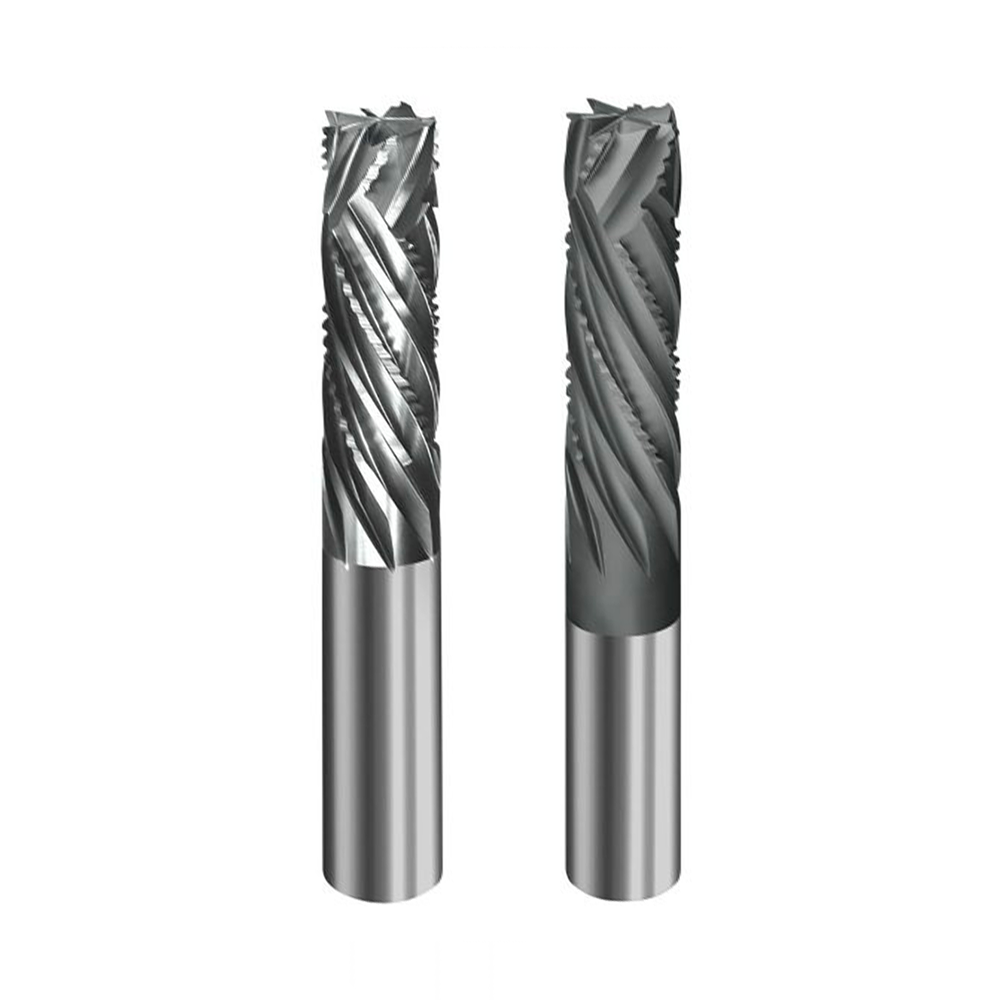
Choosing the right router bit material is one of the most important decisions a CNC machine operator can make. Whether you’re routing wood, plastic, aluminium, composites, or high-pressure laminates, the material your tool is made from can determine cut quality, speed, tool life and even profit margins.
Shop for all your router bits here.
In this guide, we break down the three most common materials – high-speed steel (HSS), carbide and polycrystalline diamond (PCD) – and explain when, why and how to use each one. This is not a beginner’s tool comparison – it’s a detailed look at the pros, cons and applications relevant to professional CNC users running high-performance machinery.
Why bit material matters in CNC machining
In professional CNC environments, every decision impacts:
- Cut quality
- Tool wear and replacement costs
- Feed speed and cycle time
- Machine uptime
- Overall productivity
The material of your router bit affects heat resistance, edge retention, rigidity and speed tolerances. Using the wrong bit doesn’t just reduce cut quality – it increases scrap, wears out tooling prematurely and risks damaging your machine or workpiece.
Overview: HSS, Carbide and Diamond compared
| Property | HSS | Carbide | Diamond (PCD) |
| Hardness | Medium | High | Extremely high |
| Heat resistance | Moderate | Excellent | Outstanding |
| Edge retention | Good (short term) | Very good | Exceptional |
| Cost | Low | Moderate | High |
| Sharpening | Easy | More difficult | Specialist sharpening only |
| Lifespan | Short | Long | Ultra-long |
| Best used on | Foams | MDF, hardwoods, aluminium | Composites, laminates, HPL |
HSS router bits – affordable but limited
What is HSS?
High-speed steel is a metal alloy designed to resist softening at high temperatures. It’s cheaper and easier to machine than carbide or diamond, making it common for general-purpose cutting.
When should CNC users consider HSS?
- Low-speed applications
- Occasional prototyping or light-duty work
- Where cost per bit is more important than lifespan
Pros:
- Inexpensive
- Easy to sharpen
- Ideal for manual routing or small desktop CNCs
Cons:
- Dulls quickly on abrasive materials
- Poor choice for high-volume production
- Cannot sustain high RPMs without edge degradation
Verdict:
Use HSS only when speed and volume aren’t priorities. It’s cost-effective for hobby or occasional use but will cost more in the long run for professional setups due to its short lifespan.
Browse our carbide router bits here.
Carbide router bits – the workhorse for professionals
What is carbide?
Carbide bits are made from tungsten carbide, an extremely hard material that can maintain a sharp edge at high speeds and temperatures. These are often either:
- Solid carbide – entire bit is carbide
- Carbide-tipped – cutting edge is carbide, body is steel
Why are carbide bits ideal for CNC routing?
- Maintain sharpness under prolonged use
- Tolerate high RPMs (18,000–24,000+)
- Perform consistently in dense materials like MDF, hardwoods, acrylics and aluminium
- Come in a wide range of flute types (upcut, downcut, compression, etc.)
Pros:
- Long-lasting and durable
- Ideal for production work
- Consistent finish quality
- Available in a wide range of coatings for enhanced performance
Cons:
- More expensive upfront than HSS
- Brittle – can chip or break if mishandled
- Requires proper chip evacuation to prevent heat buildup
Pro tip:
Carbide tools can typically cut up to 2× their diameter in a single pass (e.g. a 6mm bit can cut 12mm material). For bits over 12mm, you can cut up to 2.5× the diameter.
Verdict:
Carbide is the go-to choice for most professional CNC shops. The balance of speed, quality and durability makes it the most cost-effective tool material for medium- to high-volume operations.
Browse our carbide router bits here.
Diamond (PCD) router bits – for high-volume, abrasive work
What is PCD?
Polycrystalline Diamond bits are made by fusing diamond particles onto a carbide substrate. These tools are incredibly hard and wear-resistant, designed for long-running jobs on abrasive materials.
When to choose diamond bits:
- You’re cutting fibreglass, laminated MDF, veneered plywood, carbon fibre, or high-pressure laminates (HPL)
- You want to maximise uptime and minimise tool changes
- You need perfect edge finishes across thousands of parts
Pros:
- Extreme wear resistance
- Ideal for abrasive, industrial materials
- Delivers superior surface finish
- Longest lifespan of all bit types
Cons:
- High upfront cost
- Specialist sharpening required
- Not suited for soft materials (overkill)
Pro tip:
PCD bits are an investment. They pay off when used for batch production where consistency, tool life and surface finish justify the cost.
Verdict:
Diamond bits are essential for industrial CNC users working with composites and laminates. They aren’t general-purpose tools, but in the right applications, they dramatically reduce costs per cut over time.
Choosing the right bit for your material and job type
| Material | Best Bit Material | Reason |
| Softwoods | Carbide (uncoated) | Fast cutting, clean finish |
| MDF / Plywood | Solid Carbide / PCD | Abrasive material – edge retention critical |
| Hardwoods | Solid Carbide | Strong enough for dense, fibrous grain |
| Plastics (e.g. acrylic) | Solid Carbide (polished) | Clean finish, avoids melting |
| Aluminium / Non-ferrous | ZrN-coated Carbide | Heat and chip resistance |
| Laminates / Veneers / HPL | PCD | Tear-free finish, extremely wear-resistant |
| Composites / Carbon fibre | PCD | Handles abrasion and fibre pull-out |
Practical tips for CNC professionals
1. Don’t just match bit material to the job – match it to your volume
- HSS might work once, but carbide or diamond will last hundreds of parts
- For repeat jobs, invest in tools that reduce downtime and replacements
2. Maintain proper chip evacuation
- Carbide and PCD bits suffer if chips aren’t cleared quickly
- Use air blast, extraction, or optimised toolpaths to prevent overheating
3. Monitor cutting speed vs. heat
- Heat is the enemy of tool life – friction burns out edges
- The bigger the tool and the more flutes, the faster you must cut to avoid heat build-up
4. Don’t re-cut chips
- Re-cutting waste damages edges and finish quality
- Especially important with multi-flute or diamond tools on composites
5. Start at the right spindle speed
- As a rule of thumb: Start around 18,000 RPM for woods, plastics and aluminium
- Adjust based on machine capability, material type and tool diameter
6. Use the right toolpath strategy
- Adaptive and trochoidal toolpaths reduce heat and extend tool life in harder materials.
- Avoid sharp direction changes that can cause tool deflection or breakage – especially with brittle solid carbide bits.
- For PCD tools, use smooth, consistent paths to avoid chipping the cutting edge.
7. Inspect tools regularly
- Check for signs of wear, chipping, or dull edges before starting production runs.
- A visual inspection under magnification can prevent costly mistakes later in the job.
- Replace or sharpen bits at the first signs of dulling – don’t wait for visible burning or breakout.
8. Avoid excessive tool engagement
- Full-width cuts at full depth increase tool stress.
- Use multiple shallow passes to reduce wear – particularly when using solid carbide on dense hardwood or abrasive MDF.
- For production, calculate optimal depth of cut (DOC) and width of cut (WOC) using tool manufacturer guidelines.
9. Keep tooling clean
- Resin, dust and chip buildup affect cut quality and heat dissipation.
- Use specialist cleaning solutions to remove pitch and resin from carbide and PCD tools.
- A clean bit performs better, cuts cooler and lasts longer.
10. Label and organise your bits
- Use labelled storage for different bit materials and coatings.
- Keep a log of tool life per material to spot early wear trends and optimise re-ordering.
- This is especially valuable in shops running multiple machines and operators.
11. Consider tool coatings
- Coatings like ZrN, TiN or diamond-like carbon (DLC) can significantly improve performance.
- ZrN-coated carbide is ideal for aluminium, as it resists chip welding.
- Know when an uncoated tool is sufficient (e.g. one-off jobs or softwoods) and when coatings offer ROI.
12. Use correct collets and tool holders
- Poor tool holding introduces runout, shortens tool life and degrades edge finish.
- Invest in high-quality collets and replace them regularly (often after ~400–500 hours of use).
- Always match shank diameter precisely and avoid reducers unless necessary.
13. Test, adjust, document
- Every CNC setup is different. Run test cuts with new tools and document feed/speed results.
- Maintain a tooling log by material and bit type to optimise future jobs.
- Over time, this builds a shop-specific knowledge base that reduces trial and error.
Final thoughts: Invest for performance, not just price
For professional CNC machine users, tool choice is not just about cost – it’s about performance, reliability and return on investment. The right bit material will:
- Minimise downtime
- Increase throughput
- Improve part quality
- Reduce operator fatigue and machine wear
When in doubt, speak to your tooling supplier. They can help you match flute count, coating and material to your job specs and machine capabilities.
Would you like me to draft a meta description, FAQ section, or follow-up article (e.g. bit coatings, flute count, or bit maintenance)?