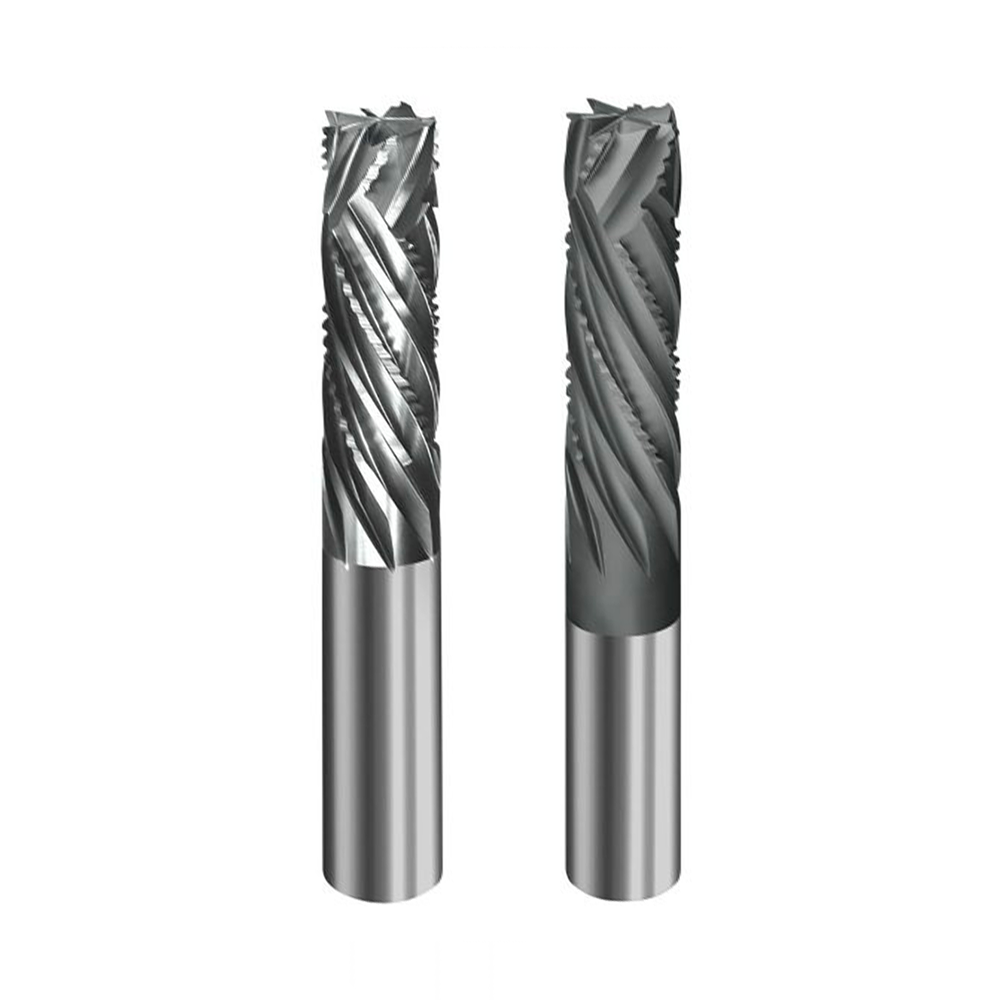
When it comes to CNC router bits, getting the perfect cut is both an art and a science. It’s a balancing act between the material, the bit type, and the intricate physics of speed, feed, and precision. Whether you’re shaping Corian countertops, engraving fine details in wood, or diving into the dense, fibrous depths of MDF, each material poses its own challenges – and rewards. The right router bit doesn’t just cut; it transforms, pushing the boundaries of what’s possible in machining.
But here’s the catch: not all router bits are created equal, and even small choices can have a dramatic impact on your results. Each bit is a precision tool with unique properties, and when paired correctly with material and method, it becomes a powerful ally, making easy work of the toughest materials. However, select the wrong bit or push it too far, and you risk rough edges, burns, and wasted material – not to mention tool damage. That’s why understanding the best router bit for each material is crucial.
This guide explores each specific bit recommendation, exploring not only the ‘what’ but also the ‘why’ behind each choice.
What is the best router bit for cutting Corian?
The best tool for cutting Corian is a Single O Flute bit. This type of bit features a single flute design that allows for precise cutting with minimal heat build-up, essential for dense materials like Corian. The upcut design of the O Flute helps to clear chips away from the cutting area, reducing the risk of chipping and ensuring a smooth, clean edge. The Single O Flute bit’s efficient chip removal and heat management make it ideal for maintaining both the bit’s longevity and the quality of the cut when working with Corian.
At Cutter Shop, our 56X-198 Series Single O Flute Upcut Spiral Cutter is an excellent choice for cutting Corian, offering durability and precise chip removal for a clean finish. Additionally, the 5600 Series Solid Carbide Single O Flute Upcut Spiral is crafted to handle the demands of dense materials like Corian, ensuring smooth cuts with minimal wear. These bits are perfect for professionals seeking reliable, high-quality tools for solid surface materials.
Which router bit is best for cutting acrylic?
The best tool for cutting acrylic is a Single O Flute bit. This bit is designed with a single flute that enables clean, precise cuts with minimal heat build-up, which is crucial when working with acrylic to avoid melting or distortion. The upcut design of the O Flute efficiently clears chips from the cutting area, providing a smooth edge finish and reducing the risk of cracking or chipping. This bit’s design makes it ideal for achieving a high-quality finish on acrylic and other plastics.
At Cutter Shop, we offer a range of high-performance router bits ideal for acrylic and solid surfaces. The 56X-198 Series Single O Flute Upcut Spiral Cutter provides excellent precision and chip removal. For a polished finish, our 56F-198 Series Ultimate Finishing Tool, designed as a final pass finishing flute, ensures a smooth edge with minimal burr formation. For tougher applications, the 5600 Series Solid Carbide Single O Flute Upcut Spiral combines durability with effective chip clearance. In some cases, a 4200 Series Two-Flute Low Helix Upcut Finishing Spiral Router Bit may also be beneficial, especially for achieving a clean final finish on acrylic surfaces. These tools provide reliable, professional results for all your acrylic cutting needs.
What type of router bit should I use for aluminium?
Aluminium demands a single- or double-flute upcut bit in solid carbide, designed specifically for metal. These bits are engineered for efficient chip removal, which is essential in aluminium to avoid clogging and tool breakage. Carbide’s hardness and heat resistance make it ideal for aluminium, as it prevents material adhesion and wear. Use a bit with a polished finish to reduce friction and prevent overheating, while a coolant or lubricant can further enhance the bit’s life and reduce clogging when machining aluminium.
At Cutter Shop, we offer a selection of router bits tailored for aluminium cutting. The 5600A Aluminium Series Solid Carbide Single Edge O Flute Upcut Spiral is an excellent choice for aluminium sheet applications, providing superior chip removal and heat resistance. For aluminium plate, our HEMI Series Two-Flute Low Helix Spiral Router Bit is ideal, offering controlled cutting and effective chip evacuation to prevent buildup. These high-quality tools are designed to deliver smooth, precise results on aluminium, enhancing both cutting efficiency and finish quality.
What is the best router bit for engraving wood?
Engraving tools and V-groove bits are widely used for wood engraving, depending on the depth and detail required. V-groove bits, available in various angles, are ideal for creating fine details, sharp edges, and precise line work, making them popular in sign-making. The feed rate should be adjusted for the desired detail level and wood type, as high speeds can cause burning or tear-out in hardwoods
Our 37-00 Series Single Flute Solid Carbide Engraving Tools are excellent for achieving fine engraving results in wood. These high-quality, single-flute bits are designed specifically for detailed engraving and are optimised to handle various wood types while providing precise and clean cuts. Whether you’re working on intricate designs or high-detail projects, our engraving bits offer reliability and exceptional finish quality, making them ideal for wood engraving applications.
The 3800 Series Solid Carbide V-Point Bits are another excellent choice for wood engraving, offering precision and sharp detail in line work and fine engraving. These V-point bits are ideal for sign-making and intricate designs, delivering clean edges and precise control across various wood types.
Ball nose bits are suited for 3D carving, allowing for smooth curves and intricate reliefs.
What type of router bit should I use for plastic?
The best tool for cutting plastic is a Single O Flute bit. This bit is designed specifically to handle the unique properties of plastic, providing clean and precise cuts with minimal heat build-up, which is crucial for avoiding melting and rough edges. The single flute design allows for efficient chip removal, helping to maintain a smooth finish and prevent clogging or material warping.
We offer top-quality router bits ideal for plastic cutting. Our Single O Flute Upcut Spiral Bits, such as those in the 56X-198 Series and 5600 Series, are crafted from solid carbide to ensure durability and precision. The upcut spiral design clears chips effectively, while the polished flute minimises friction and heat. These bits are an excellent choice for those looking to achieve professional results when working with plastic.
What’s the best router bit for cutting foam?
For cutting foam materials, use a high-speed Steel straight bit or a four-fluted spiral specialised foam-cutting bit, typically made from high-speed steel (HSS) or carbide. Foam is sensitive to tearing, so a sharp, straight or spiral bit ensures smooth cuts without jagged edges. Foam-cutting bits are often designed with low helix angles to prevent the material from tearing or compressing during cutting. These bits are also helpful in applications involving contouring or soft signage materials, where the quality of the edge finish is essential.
At Cutter Shop, we offer an excellent range of bits for foam cutting. Our HSS 550 Series provides sharp and durable high-speed steel bits perfect for smooth cuts in foam. The 2300 Series Three Flute Pass-By Deep Pocket Mortise Upcut Spiral is ideal for deeper cuts, ensuring chip removal and a clean finish. For high-speed applications, the 40-550 Series Four Flute High-Speed Steel Upcut Spiral Foam Cutters are specifically designed to handle foam with precision, offering a clean edge finish essential for professional results in foam materials.
Which router bit is best for dado cuts in plywood?
For dado cuts in plywood, a straight, downcut, or compression bit made from solid carbide can be used, with the choice depending on the desired finish. If the dado will be visible and you’re seeking a clean bottom surface, a compression bit is ideal, as it provides a smooth edge on both the top and bottom. For hidden dados or situations where chip removal is a priority, an upcut bit is effective, as it clears chips quickly and generates less heat, though it may leave the top edge rougher. A downcut bit is best when a clean top edge is needed or when working with lighter material that needs to stay secure on the table, though it may create more friction and heat. Each option provides versatility in finish and handling, so selecting the appropriate bit ensures optimal results based on project needs. For precise dado cuts, stable clamping, a steady feed rate, and appropriate RPMs are essential to prevent tear-out and ensure smooth cuts in plywood.
At Cutter Shop, our 13X-192 Series Two Flute Downcut Finisher Spiral Cutter is designed for clean, precise cuts in plywood, making it perfect for dado applications. Additionally, the 1300 Series Two Flute Downcut Finishing Spiral Router Bit is crafted to deliver smooth edges and prevent splintering on the surface, ensuring professional-quality dado cuts. Also, check out the 31X-190 Series Two Flute Mortise Compression Spiral Cutter and The Viper 3100M Series Two Flute Mortise Compression Spiral.
What’s the best CNC router bit for MDF?
CNC machining in MDF works well with solid carbide straight, upcut, downcut, or compression bits, with each type offering benefits depending on the specific cut and finish desired. Compression bits are preferred for full-depth cuts, as they prevent tear-out on both sides, leaving clean edges on the top and bottom surfaces. Straight bits are suitable for cuts that don’t require dual-side clean edges, such as pocketing, providing a smooth flat-bottom finish. An upcut bit is effective for deeper cuts, as it clears chips quickly and reduces heat build-up, though it may leave the top edge rough. Conversely, a downcut bit produces a clean top edge, which is ideal for visible cuts, but generates more friction since it pushes material downwards, making it better suited for shallower cuts.
Due to MDF’s density and abrasive nature, carbide bits are recommended for longevity and wear resistance. For best results, dialling in the correct RPM and feed rate is essential to minimize friction and prevent burn marks, especially on larger or thicker MDF sheets. Selecting the right bit type based on the desired finish and depth can optimize cut quality and durability.
Our 31X-190 Series Two Flute Mortise Compression Spiral Cutter is perfect for achieving clean, precise cuts in MDF, with its dual-flute compression design providing smooth edges. Additionally, The Viper 3100M Series Two Flute Mortise Compression Spiral offers enhanced durability and chip removal, making it an excellent choice for handling the density of MDF. These bits are top options for professionals looking for high-performance tools in MDF applications. Also check out our 31X-190 Series Two Flute Mortise Compression Spiral Cutter and Viper 3100M Series Two Flute Mortise Compression Spiral bits.
Which CNC router bit works best for plywood?
The optimal CNC router bit for plywood depends on the desired finish and whether the cut will be visible. A compression bit is ideal for full-depth cuts, as it combines upcut and downcut flutes to minimize tear-out on both surfaces, delivering clean, professional edges on both the top and bottom. For cuts where only the top edge needs a clean finish, a downcut bit is effective; it holds lighter materials securely on the table and creates a smooth top edge, though it generates more heat and friction due to its downward force. Alternatively, an upcut bit is better for cuts where quick chip removal is essential, as it generates less heat and friction but may leave a rougher top edge, making it ideal for hidden cuts.
Selecting the right bit type for plywood machining and adjusting machine settings (RPM and feed rate) are key to maintaining edge sharpness and achieving the best possible finish. For frequent plywood cutting, investing in high-quality, solid carbide bits is recommended for durability and consistent performance.
Our 31X-190 Series Two Flute Mortise Compression Spiral Cutter provides excellent performance with its dual-flute design, making it ideal for smooth, precise cuts in plywood. Additionally, The Viper 3100M Series Two Flute Mortise Compression Spiral offers enhanced durability and efficient chip removal, making it a top choice for professionals needing reliable, high-quality tools for plywood machining.
For any further questions on selecting the best router bits for your applications, or for technical guidance on cutting parameters, feel free to contact our expert team at Cutter Shop.