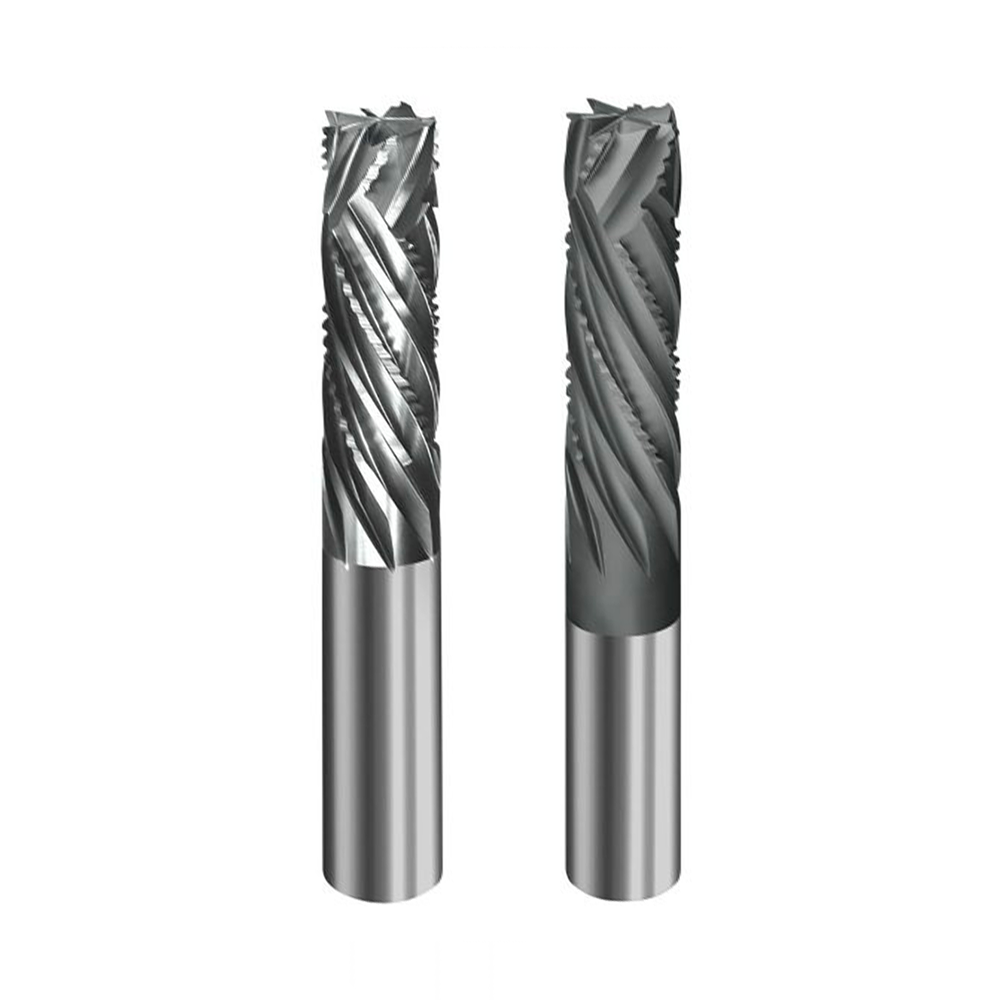
Air assist is often sold as a CNC accessory, but its real value is found at the cutting edge.
A good air assist setup helps your router bits, milling cutters and drilling tools work in cleaner, cooler conditions. By directing compressed air towards the cut, it helps remove chips, reduce heat build-up and prevent material from clogging around the tool. In the right application, this can improve cut quality, reduce recutting and help extend tool life.
However, air assist should be chosen around the material and cutter, not just the machine. A workshop cutting acrylic will have different needs from one machining aluminium, engraving small details or routing MDF panels all day.
This guide explains the main air assist options for CNC users, including nozzle kits, compressor-fed air blast, regulated systems and mist lubrication. It also looks at how to choose the right setup for your tooling, materials and cutting problems.
Browse: CNC router bits
Why air assist matters at the cutting edge
A CNC cutter works best when it can cut cleanly and clear chips efficiently. When chips stay in the cut path, the tool can start recutting material it has already removed. This creates heat, increases wear and often leads to poorer results.
The symptoms vary by material. Acrylic may melt or reweld. Aluminium may stick to the cutting edge. Wood may burn. Pockets may come out rough because debris remains trapped between passes. Small tools may break because there is not enough flute space to clear the material.
Air assist helps by moving chips away from the cutter before they become a problem. It can also reduce localised heat around the tool, especially when cutting plastics, aluminium and detailed profiles.
The important point is that air assist improves the cutting environment. It does not replace correct tooling, feeds and speeds, but it can help a good cutter perform more consistently.
Air assist supports the cutter — it does not fix the wrong cutter
Before choosing an air assist kit, start with the cutting problem.
If acrylic is melting, you may need controlled airflow, but you may also need a sharper O-flute or single flute cutter. If aluminium is sticking to the tool, better chip clearance may help, but the cutter still needs suitable geometry for non-ferrous metals. If MDF dust is building up, air assist may clear the cut path, but proper dust extraction remains essential.
At The Cutter Shop, we would usually advise looking at the cutter and material first, then choosing air assist to support that cutting process.
In practice, that means asking:
- What material are you cutting?
- What cutter geometry are you using?
- Are chips clearing properly?
- Is heat causing melting, burning or material build-up?
- Are you using small tools that are vulnerable to chip packing?
- Do you need air only, or air with lubrication?
- Will the setup work with your dust shoe and extraction system?
Once those questions are clear, it becomes much easier to choose the right air assist option.
Browse: CNC accessories
The main air assist options compared
There are several ways to add air assist to a CNC router. The best choice depends on how much control you need, what materials you cut and whether you already have a suitable compressor.
| Air assist option | Best for | Tooling benefit | Things to check |
| Basic nozzle kit | General chip clearing, light routing, engraving | Clears debris from the cutter and improves visibility | Mounting, nozzle adjustability, hose compatibility |
| Compressor-fed air blast | Plastics, aluminium, pockets, grooves and production routing | Stronger chip evacuation and better heat control | Compressor capacity, moisture trap, regulator |
| Regulated air assist | Mixed materials and workshops needing more control | Allows airflow to be adjusted for different cutters and materials | Pressure control, nozzle position, dust shoe clearance |
| Mist or MQL system | Regular aluminium and non-ferrous metal cutting | Adds lubrication as well as chip clearing | Fluid type, cleanup, contamination, extraction |
| Cold air system | Heat-sensitive materials and specialist applications | Provides cooling as well as air movement | Cost, compressor demand, nozzle accuracy |
For most CNC router users, the practical choice will be between a basic nozzle kit and a regulated compressor-fed system. Mist lubrication and cold air systems are more specialist and should be chosen for specific applications rather than general use.
Basic nozzle kits
A basic air nozzle kit is usually the simplest and most affordable option. It normally consists of a flexible or fixed nozzle positioned close to the cutter and connected to an air source.
This type of kit is useful for users who want better chip clearing without moving into coolant or lubrication systems. It can be particularly helpful for engraving, plastics, light aluminium work, pockets and grooves where chips tend to stay near the cutter.
The most important feature is adjustability. The nozzle needs to aim at the cutting edge, not just the spindle. If you use tools of different lengths, it should be easy to reposition.
Before buying, check:
- Whether the nozzle can be aimed accurately
- Whether it mounts securely to your spindle, dust shoe or machine head
- Whether it leaves enough room for tool changes
- Whether it is compatible with your existing air line
- Whether replacement nozzles, hoses and fittings are available
A basic nozzle kit is a good starting point if your main problem is local chip build-up rather than heavy heat, lubrication or swarf control.
Browse: CNC accessories
Compressor-fed air blast
A compressor-fed setup uses a workshop compressor to supply air to the nozzle. This gives stronger and more consistent chip clearing than a very light air source, provided the compressor can deliver enough air for the job.
This option is useful for regular CNC routing, especially where heat and chip evacuation affect finish quality. It is often a sensible choice for plastics, aluminium, deeper pockets and applications using small diameter tools.
When choosing a compressor-fed setup, do not focus only on maximum pressure. For CNC work, consistent airflow and control matter more than simply blasting the cut with as much air as possible.
Check:
- Compressor output and duty cycle
- Whether it can support longer CNC jobs
- Air regulator compatibility
- Moisture separation or filtration
- Hose and fitting sizes
- Noise level in the workshop
- Whether airflow can be adjusted for different materials
Moisture control is particularly important. Compressed air can carry water into the line, which is not ideal around CNC tooling, workpieces or machine components. A moisture trap or suitable filtration should be part of a professional setup.
Browse: Airwave Micro-Speed variable-speed workshop compressor
Regulated air assist
Regulated air assist gives the operator more control over the amount of air reaching the cutter.
This is useful because different jobs need different airflow. A small engraving cutter may only need a gentle, accurate stream of air. Acrylic may need enough flow to remove warm chips without disturbing the workpiece. Aluminium may need stronger air blast to clear swarf before it is recut.
Too much air can create its own problems. It can blow dust away from the extraction path, move small offcuts, interfere with vacuum hold-down or create unnecessary noise. The aim is controlled airflow, not maximum force.
A regulated setup is a good choice for workshops cutting a range of materials because it allows the same system to be adjusted around the cutter, material and job.
Mist and MQL systems
Mist and minimum quantity lubrication systems are different from standard air assist. They use compressed air to deliver a small amount of lubricant to the cutting area. This is mainly relevant for aluminium and some non-ferrous metals. The lubricant helps reduce friction and heat, while the air helps move chips away from the tool.
Mist systems are not usually the right choice for general woodworking, MDF or clean plastic routing because they introduce fluid to the machine bed, material and surrounding area. They can also create cleanup and contamination issues.
Consider mist or MQL if aluminium is a regular part of your work and dry air blast is not giving consistent results. For occasional light aluminium cutting, a suitable aluminium cutter and controlled air blast may be enough. For production aluminium work, lubrication may become more important.
Browse: CNC maintenance lubricants
Cold air systems
Cold air systems are more specialist. They are designed to provide cooler air at the cutting area, which can help with heat-sensitive materials or applications where standard air blast is not enough.
They may be useful for some plastics, aluminium and specialist materials, but they are usually not necessary for general CNC routing. They also depend heavily on accurate nozzle position, because the cooling effect is only useful if it reaches the cutting edge.
For most Cutter Shop customers, a cold air system would be a later-stage upgrade rather than the first air assist option to consider.
Which air assist setup should you choose?
The best setup depends on the material, cutter and problem you are trying to solve.
| If your main issue is… | Choose… | Pair it with… |
| Dust or chips sitting in grooves | Basic or regulated nozzle kit | Upcut, downcut or compression tooling chosen for the finish required |
| Acrylic melting or rewelding | Regulated compressor-fed air assist | Sharp O-flute or single flute plastic cutters |
| Aluminium chips sticking to the cutter | Stronger regulated air blast or mist/MQL | Aluminium-specific single flute or coated cutters |
| Small tools breaking in detail work | Precise low-flow nozzle | Quality collets, low runout and appropriate small-diameter cutters |
| MDF dust building up | Air assist plus strong extraction | Suitable MDF tooling and effective dust collection |
| Composite or laminate wear | Controlled air plus extraction | PCD or specialist composite tooling |
| Mixed materials in one workshop | Regulated compressor-fed setup | Material-specific cutter selection |
If you are mainly cutting wood-based panels and your extraction is strong, air assist may be a useful addition rather than a priority. If you regularly cut plastics, aluminium or detailed parts, it becomes much more valuable.
Browse: CNC router bits
What specifications should you check before buying?
A good buying guide should go beyond asking whether a kit “fits your CNC”. The important question is whether it suits your tooling and the work you do.
Before choosing a nozzle kit or compressor-fed system, check the following.
Air supply requirements
Look at the air demand of the nozzle or kit and compare it with your compressor output. A small airbrush-style compressor may be suitable for light clearing, but it may not provide enough continuous airflow for production routing or aluminium swarf clearance.
If the product listing provides pressure or air consumption figures, check them carefully. If it does not, ask before buying.
Browse: Air compressors
Flow control
A regulator or control valve is useful because it lets you adjust the airflow to the cutter. This matters if you switch between materials, cutter sizes or workholding methods.
For example, fine engraving may need low airflow. Aluminium may need more aggressive chip clearing. Lightweight parts may need reduced airflow to avoid movement.
Nozzle adjustability
The nozzle should be easy to aim at the cutting edge. Flexible nozzles are useful because they can be repositioned for different tool lengths and job types.
Avoid setups where the nozzle is fixed too high, too far away or blocked by the dust shoe. If the air does not reach the cut, it will not help the cutter.
Mounting and clearance
Check how the nozzle attaches to the machine. It must be secure, stable and clear of moving parts. It should not interfere with tool changes, spindle movement, the dust shoe or clamps.
A poorly mounted air line can be more of a risk than a benefit.
Filtration and moisture control
Compressed air can carry moisture and debris. For CNC work, filtered and dry air is preferable. A moisture trap is especially important for workshops using compressors regularly.
Replacement parts
Nozzles, hoses and fittings are consumable in busy workshops. Check whether replacements are easy to source.
This is particularly important if the kit uses non-standard fittings or a proprietary mount.
Browse: Single O-flute upcut spiral cutters
Cutting acrylic and plastics: focus on heat and chip removal
Acrylic and plastics are among the strongest reasons to consider air assist.
When plastics are cut poorly, chips can remain hot and stick to the cutter or material edge. This can cause melting, smearing, rewelding or rough finishes. Air assist helps move warm chips away from the cut before they cause problems.
For best results, air assist should be paired with the right plastic cutter. Sharp O-flute and single flute cutters are commonly used because they create space for chips to escape and help maintain a clean cutting action.
If acrylic is melting, look at three things together: cutter geometry, chip load and airflow. Air assist will help most when the tool is already producing a proper chip rather than rubbing the material into dust or heat.
Browse: Single flute aluminium dry cut finisher spiral cutter
Cutting aluminium: when air blast may not be enough
Aluminium needs good chip evacuation because recut chips can quickly damage the finish and increase heat. If aluminium sticks to the cutting edge, tool performance can deteriorate rapidly.
A regulated air blast can help keep chips away from the tool, especially when profiling, engraving or taking lighter passes. For many CNC router users, this is a useful improvement over relying on extraction alone.
However, aluminium also requires the correct cutter. Single flute aluminium cutters are often used because they provide space for chips and work well at router spindle speeds. Coated tools may also help in suitable applications.
For occasional aluminium work, dry air assist may be enough. For regular aluminium machining, or where chip welding and heat remain a problem, mist or MQL may be worth considering.
Cutting wood and MDF: air assist is secondary to extraction
For wood, MDF and plywood, dust extraction is usually more important than air assist. These materials generate dust and chips that need to be removed from the machine and workshop environment, not just blown around the bed.
Air assist can still be useful in grooves, pockets, engraving work and deeper cuts where chips stay close to the cutter. It can also help reduce recutting in enclosed toolpaths.
Tool choice should still lead the decision. Upcut bits help pull chips upwards. Downcut bits can give a cleaner top edge but may push chips into the cut. Compression bits are used when both top and bottom edge quality matter.
Air assist can support those tools, but it should work with extraction rather than against it. If the nozzle blows dust away from the dust shoe, adjust the position or reduce airflow.
Browse: Upcut spiral router bits
Browse: Compression spiral router bits
Cutting laminates and composites: control debris and use specialist tooling
Laminates, compact boards and composite materials can be abrasive. Air assist can help keep debris moving away from the cutting edge, but these materials are primarily a tooling challenge.
For abrasive materials, PCD tooling or specialist composite cutters may be more important than airflow alone. Air assist can help clear dust and particles from the cut, but it will not make a general-purpose cutter suitable for a demanding composite application.
Extraction and safety are also important. Some composites create fine dust that should not be allowed to circulate freely in the workshop. Use appropriate dust extraction and personal protective equipment.
Browse: CNC router bits and filter by PCD (Polycrystalline Diamond)
Engraving and small tools: use accurate, controlled airflow
Small diameter cutters are vulnerable to heat, clogging and breakage. They have less flute space and less strength than larger tools, so chip packing can become a problem quickly.
A carefully aimed, low-flow air nozzle can be useful for engraving, fine detail work and small pockets. It clears debris from the toolpath and improves visibility around the cutter.
This is particularly helpful with V-bits, engraving cutters, small end mills and detail carving tools. However, air assist is only one part of the setup. Small tools also need clean collets, low runout, appropriate stick-out and sensible cutting parameters.
Browse: Solid carbide V-point bits
Browse: CNC collets
Matching air assist to cutter type
Different cutters remove material in different ways, so air assist should be matched to the tool.
| Cutter type | How air assist helps | Watch out for |
| Upcut spiral bits | Supports chip evacuation from the kerf | Can lift material if hold-down is poor |
| Downcut spiral bits | Helps clear chips in grooves and pockets | Chips are pushed down, so evacuation remains harder |
| Compression bits | Helps clear through-cuts in laminated boards | Correct cutting depth still matters |
| Single flute cutters | Helps remove larger chips from plastics and aluminium | Feed rate must maintain chip load |
| O-flute cutters | Clears warm plastic chips from the cutting area | The tool must be sharp and suitable for the plastic |
| V-bits and engraving cutters | Clears fine debris and improves visibility | Small tools are sensitive to runout |
| PCD tools | Helps move abrasive dust and particles away | Specialist tooling is still the main factor |
| Small diameter end mills | Reduces chip packing in fine work | Breakage may also be caused by setup or feed issues |
Browse: LMT Onsrud tooling
Common cutting problems air assist can help solve
Air assist is most useful when the problem is linked to heat, chip packing or recutting.
If acrylic is melting, controlled air can help remove warm chips before they reweld to the edge. If aluminium is sticking to the cutter, stronger air blast can help clear swarf before it is recut. If pockets are coming out rough, air assist can help remove debris between passes.
For wood burning, air assist may help remove hot dust, but the cause is often a dull cutter, slow feed rate or too much rubbing. For bit breakage, it may help if the issue is chip packing, but it will not solve runout, poor collet condition or excessive depth of cut.
Use air assist as part of troubleshooting rather than as the only fix.
Air assist, dust extraction and safety
Air assist and dust extraction do different jobs.
Air assist clears the immediate area around the cutter. Dust extraction removes chips, dust and debris from the machine and workshop. For MDF, plywood, hardwood, composites and many plastics, extraction remains essential.
The two systems should work together. The nozzle should move debris away from the cutting edge and towards the extraction flow, not blow it across the machine bed.
Compressed air also brings safety considerations. It can send chips and dust into the air, so eye protection, guarding and extraction are important. Hoses and nozzles must be secured so they cannot catch on the spindle, gantry, clamps or workpiece.
Browse: Dust and filter extraction
Final buying advice
The right air assist setup depends on the work you do most often. For general chip clearing, a basic adjustable nozzle kit may be enough. For plastics, aluminium and mixed-material workshops, a regulated compressor-fed system gives more control. For regular aluminium machining, mist or MQL may be worth considering. For specialist heat-sensitive work, cold air systems may have a role, but they are rarely the first upgrade most workshops need.
The key is to buy around the cutter and material. Think about the chips you are producing, where they go, how much heat is being generated and whether the tool is able to cut cleanly.
At The Cutter Shop, we supply CNC router bits, milling cutters, drilling tools and accessories for professional machining applications. If you are trying to improve cut quality, reduce tool wear or choose the right setup for a specific material, our team can help you select the tooling and accessories that suit your work.
Browse: All CNC router bits
FAQs
Does air assist make CNC router bits last longer?
It can help extend tool life by clearing chips and reducing heat around the cutting edge. The biggest benefits are usually seen in plastics, aluminium, engraving and jobs where chips are being recut. Tool life still depends on correct cutter choice, feeds, speeds, collet condition and workholding.
Do I need air assist for cutting acrylic?
Air assist is highly useful for acrylic because it helps remove warm chips from the cut path. This can reduce melting, rewelding and chip build-up. It should be used with a sharp plastic-specific cutter, such as an O-flute or single flute tool.
Is air assist useful for aluminium?
Yes. Air assist can help clear aluminium chips before they are recut, improving finish quality and reducing the risk of material sticking to the cutter. For regular aluminium work, aluminium-specific tooling and mist or MQL may also be needed.
Can I use air assist instead of dust extraction?
No. Air assist clears the cutting area around the tool. Dust extraction removes dust and chips from the machine and workshop environment. For wood, MDF, composites and many plastics, extraction remains essential.
What type of nozzle is best for CNC air assist?
An adjustable nozzle is usually best because it can be aimed at the cutting edge and repositioned for different tool lengths. The nozzle should be secure, easy to adjust and compatible with the dust shoe or extraction setup.
Is mist coolant the same as air assist?
No. Standard air assist uses compressed air to clear chips. Mist or MQL systems use air to deliver a small amount of lubricant to the cutting area. Mist is mainly used for aluminium and some non-ferrous metals, rather than general woodworking or plastic routing.
Should I choose air assist based on my CNC machine or my tooling?
Both matter, but the material and tooling should guide the decision. A setup for acrylic, aluminium and small tools needs more control than one used mainly for light chip clearing in wood. Start with the cutting problem, then choose the air assist setup that supports the cutter.