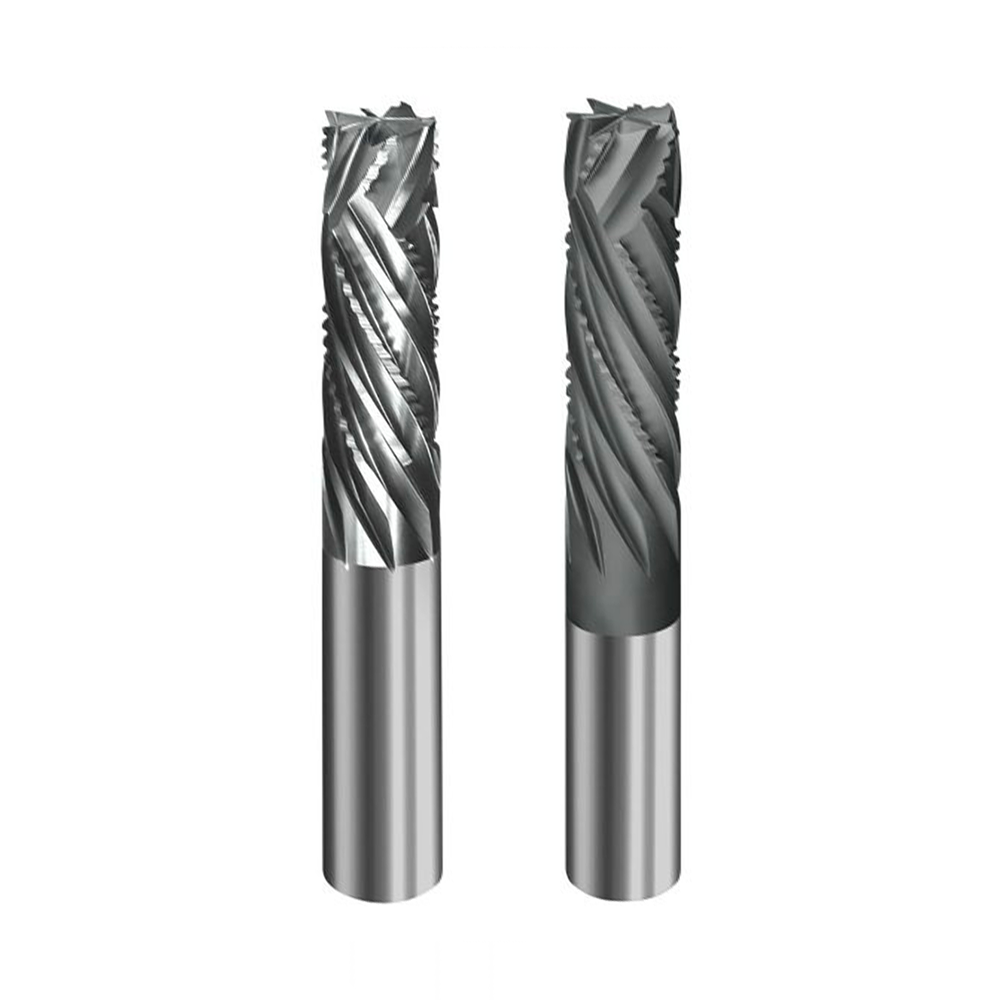
CNC machining can feel like a world of its own, full of specialist language that seems impenetrable to newcomers. If you’re just starting out, learning the terminology is one of the best ways to understand how tools, machines and processes fit together. This glossary explains the most common CNC cutting tool terms in clear, beginner-friendly language, giving you the foundation you need to feel confident in a workshop or when speaking with suppliers.
Why a glossary matters
CNC cutting tools are highly specialised. From the geometry of a router bit to the material it’s made from, every detail affects performance. The right choice can mean faster cycle times, better finishes and longer tool life. The wrong choice can lead to tool breakage, wasted material and costly downtime. Knowing the terminology allows you to understand datasheets, follow manufacturer recommendations and talk with machinists on their terms.
Glossary of CNC cutting tool terms
Below is an alphabetical guide to essential CNC cutting tool terminology.
Adapter
A device that allows one type of toolholder or collet to be used in a spindle designed for another type. Adapters increase flexibility but can reduce rigidity.
Adaptive clearing
A toolpath strategy designed to maintain constant tool engagement, reducing wear and improving efficiency in roughing operations.
Angle of cut
The angle at which the cutting edge meets the material. Determines chip formation, tool wear and surface finish.
Arbour
A shaft or spindle used to hold a cutting tool such as a saw blade or shell mill.
Axial depth of cut (DOC)
The depth the tool plunges into the workpiece along its axis. Often shortened to “axial DOC,” it is one of the key cutting parameters.
Backlash
The small movement or play in a machine’s lead screw when reversing direction. Affects toolpath accuracy.
Ball nose cutter
A tool with a rounded tip, used for 3D contouring, carving and finishing curved surfaces. Leaves smoother finishes but has a smaller effective cutting area at the tip.
Bead cutter
A router bit profile designed to cut decorative bead shapes on wood.
Boring
An internal cutting operation that enlarges or finishes a pre-existing hole with high precision.
Burr
A raised edge or small piece of material left after machining. Usually removed by deburring tools or finishing.
Brazed tool
A cutting tool where a carbide or diamond tip is permanently brazed to a steel shank. Less flexible than replaceable inserts, but cost-effective.
Carbide
A very hard material made from tungsten carbide particles bonded with cobalt. Carbide tools last longer than HSS and can handle higher speeds, but are more brittle.
Cermet
A composite material (ceramic + metal) used for cutting inserts. Offers high wear resistance with a smoother finish.
Chamfer
A bevelled edge cut at an angle, usually 45°, to remove sharp edges or prepare parts for assembly. Chamfer tools are dedicated cutters designed for this.
Chip
The material removed by the cutting edge. Chips can be long, stringy or short, depending on material and tool geometry. Controlling chips is crucial for safety and tool life.
Chip breaker
A groove or feature on the tool designed to break chips into smaller pieces, preventing long, dangerous spirals and improving evacuation.
Chip load
The thickness of material removed by each cutting edge per revolution. One of the most important parameters for feeds and speeds.
Climb milling
A milling strategy where the cutter rotates in the same direction as the feed. Produces better surface finish but requires rigid machines.
Conventional milling
The opposite of climb milling, where the cutter rotates against the feed direction. More forgiving on older or less rigid machines.
Compression bit
A router bit combining upcut and downcut flutes, pulling fibres towards the centre for clean top and bottom edges — widely used in plywood and laminates.
Corner radius cutter
An end mill with a rounded corner rather than a sharp one. Reduces chipping and increases tool strength.
Collet
A sleeve that holds a cutting tool in the spindle. Collets grip the tool evenly around its circumference, giving accuracy and balance. Common types include ER collets.
Cutting edge
The actual sharp edge that removes material. Its geometry defines tool performance.
Coolant
A fluid used to reduce heat and friction during cutting. Can be flood coolant, mist, air blast, or dry machining depending on the operation.
Deflection
The bending of a tool under cutting forces. Too much deflection causes chatter and inaccuracy.
Depth of cut (DOC)
How deep the tool cuts into the material in one pass. Split into axial DOC (along the tool axis) and radial DOC (side engagement).
Downcut bit
A router bit where the flutes push chips down into the workpiece. Useful for holding materials down and producing clean top edges, but can cause chip packing.
Dwell
A pause in the toolpath, where the tool stays in position before moving again. Sometimes used for drilling, but can cause rubbing if misapplied.
End mill
A versatile cutter with cutting edges on the end and sides. Comes in flat, ball nose, corner radius and other variations. Used for profiling, slotting and contouring.
Facing
A machining process where a flat surface is created across the face of a workpiece. Typically done with a face mill or fly cutter.
Feeds per tooth (fz)
Another way of expressing chip load — the feed rate divided by the number of flutes and spindle RPM.
Feeds and speeds
The combination of spindle speed (RPM) and feed rate (mm/min or in/min). Correct feeds and speeds are vital for tool life and surface finish.
Flute
The helical groove along a cutter that allows chips to escape. Tools are classified by flute count (single, double, three-flute, four-flute, etc.), which affects cutting performance.
Flute length
The length of the cutting portion of the tool. Determines how deep the tool can cut in a single pass.
Fly cutter
A simple tool with one cutting edge, used for surfacing large flat areas. Produces very smooth finishes.
Grooving
A process of cutting a narrow channel into the workpiece, often done with specialised tools.
Hook angle
The angle of the cutting edge relative to the material. Positive hook pulls material into the cut, negative hook resists feeding.
Helix angle
The angle of the flutes relative to the tool axis. High helix improves chip evacuation and finish in softer materials, while low helix provides more strength in harder materials.
High-speed steel (HSS)
A tough, inexpensive tool material. Less wear-resistant than carbide, but more forgiving and less brittle. Often used for drilling and lower-speed operations.
Inserts
Replaceable cutting edges clamped onto a tool body. Widely used in milling and turning. Inserts can be indexable (rotated to a fresh edge) and come in different grades and coatings.
Interpolation
A CNC technique where a tool follows a circular or complex path to cut shapes larger than its own diameter (e.g., boring holes with an end mill).
Kerf
The width of material removed by the cutting tool. Influenced by tool diameter, runout and cutting conditions.
Keyseat cutter
A small-diameter tool designed for cutting keyways and slots in shafts.
Lead angle
The angle between the cutting edge and the workpiece surface. Affects chip thickness and tool life.
Lubrication
Reducing friction between tool and workpiece. Can be combined with cooling (coolant) or provided by oils and pastes.
Material removal rate (MRR)
The volume of material removed per unit of time. A measure of machining efficiency.
Micrograin carbide
Carbide with very small particles, improving toughness and wear resistance. Common in high-end router bits and end mills.
Mill
General term for a cutter used in a milling machine or CNC router.
Nose radius
The rounded tip at the end of a cutting edge. Larger radii produce stronger edges and smoother finishes, but require more cutting power.
Notching
Damage to the tool edge caused by heat or wear, usually at the depth-of-cut line.
On-centre cutting
A tool design where the centre of the tool has a cutting edge, allowing drilling/plunging. Off-centre tools cannot plunge directly.
Overhang
The length of tool sticking out of the holder. Longer overhang increases vibration and reduces rigidity.
Overarm
Support used on some milling machines to stabilise the cutter arbour.
Pass
A single movement of the tool through material. Jobs are often done in multiple passes to reduce load on the cutter.
Peck drilling
A drilling technique where the drill advances in steps, retracting to clear chips before continuing.
Peel milling
A strategy using small radial depth of cut and high feed rates, improving tool life and reducing heat.
Plunge cut
When the tool cuts directly downwards into the material along its axis. Requires centre-cutting tools.
Radial depth of cut
The width of the tool engaged in the material, measured radially.
Runout
The amount a tool deviates from true rotation in the spindle. Excessive runout causes poor finishes and rapid tool wear.
Router bit
A general term for CNC woodworking cutters. Available in many profiles such as straight, ball nose, V-bit, and compression.
Shank
The part of the tool clamped by the collet or holder. Shank diameter must match the collet size for secure gripping.
Shear angle
The angle at which the cutting edge shears material. Higher shear angles reduce cutting force and improve finish.
Step-over
The distance the tool moves sideways between passes. Determines surface finish in pocketing or surfacing.
Surface speed (SFM / m/min)
The speed at which the cutting edge moves over the material surface. Used to calculate spindle speed.
Single-flute cutter
A tool with one flute, ideal for high-speed cutting of soft materials like plastics, aluminium and wood. Provides excellent chip evacuation.
Tapered cutter
A cutter with a gradually narrowing profile, useful for engraving, signmaking, and 3D carving with angled walls.
Thread mill
A specialised cutter used to machine threads. More versatile than taps, as one tool can produce different thread sizes.
TiN / TiAlN coating
Hard coatings (titanium nitride, titanium aluminium nitride) applied to tools to reduce wear, heat build-up and friction.
T-slot cutter
A tool designed to cut T-shaped slots for clamping and fixturing.
Toolpath
The programmed path the cutting tool follows. Generated by CAM software and directly impacts efficiency and finish.
Tool life
The usable lifespan of a cutter before it becomes too worn to perform effectively.
Upcut bit
A cutter that pulls chips upwards, away from the workpiece. Improves chip evacuation and bottom-edge finish, but may cause fraying on top edges.
V-bit
A cutter with a sharp V-shaped tip. Common in engraving, signmaking and chamfering.
Wear land
The flat area that develops on the cutting edge as the tool wears. Indicates tool life and when replacement is needed.
Workholding
The method of securing material during cutting (clamps, vacuum tables, vises). Good workholding prevents chatter and improves accuracy.