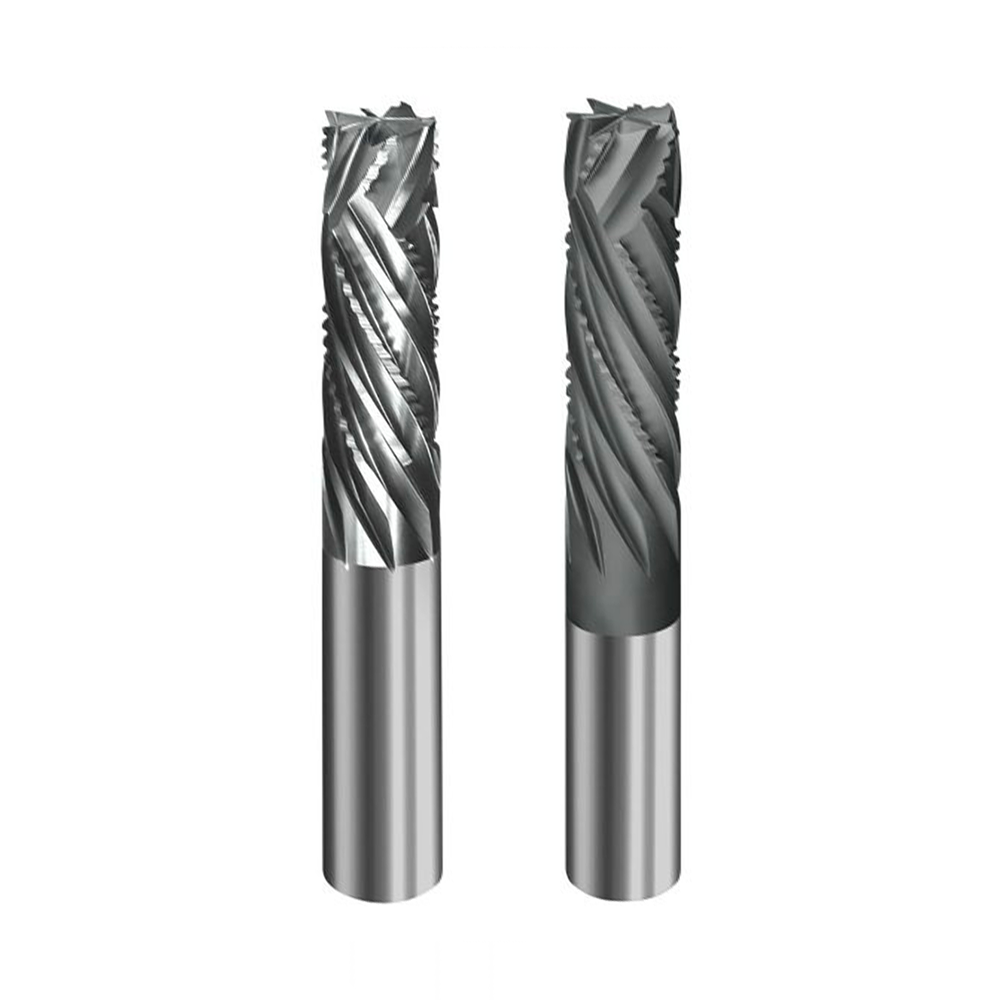
CNC router bits come in dozens of shapes and sizes, each designed to handle specific tasks, materials, and finish requirements. Choosing the right bit can mean the difference between a clean, professional result and a frustrating mess of tear-out, melting, or excessive sanding. Whether you’re a workshop owner, a machinist, a buyer, or a CNC hobbyist, understanding the essential bit types – and when to use them – is crucial.
You can browse our range of router bits here.
This guide introduces the most common CNC router bit types and explains what they do best, helping you get better results from every cut.
Why choosing the right bit matters
The type of bit you use directly affects:
- Cut quality: Sharpness, edge smoothness, and detail
- Feed speed and efficiency: How quickly you can machine your workpiece
- Material compatibility: Some bits are optimised for wood, others for plastic, foam or metal
- Tool wear and safety: The wrong bit increases wear and risk of breakage
Using the right bit improves your workflow, prolongs tool life, and reduces waste.
READ: Choose The Best Router Bits By Material – A Guide
CNC router bit categories
Before we dive into the specifics, here’s how most bits can be grouped:
- Cutting and slotting bits: For general material removal, grooving, and pocketing
- Profiling and shaping bits: For edge treatments and decorative finishes
- Engraving and detailing bits: For sign-making, fine carving and inlay work
- Joinery bits: For cutting woodworking joints (dovetails, biscuits, lock mitres, etc.)
- Specialty bits: Designed for specific operations like surfacing, inlay, or keyholes
Essential CNC router bit types and their uses
Here’s a comprehensive table of the most essential bit types, what they’re used for, and tips for choosing the right one:
| Bit Type | Description | Best For | Notes & Tips |
| Straight bit | Straight flutes for simple slotting and cutting | Soft woods, MDF, grooves | Low cost; can leave rougher finish compared to spiral bits |
| Up-cut spiral | Helical flutes pull chips upwards | Deep cuts, softwoods, pocketing | Can cause tear-out on top edge |
| Down-cut spiral | Flutes push material down for a cleaner surface | Laminates, veneered boards, thin stock | Can trap chips; best for shallow cuts |
| Compression bit | Combination of up- and down-cut spirals | Plywood, MDF, melamine | Clean edges on both sides; ideal for nesting and sheet material |
| Ball nose router bits | Rounded tip for carving and 3D profiling | Sign-making, contouring, 3D modelling | Use for smooth surface finish in curved areas |
| V-groove (V-bit) | Angled tip for engraving and chamfering | Signs, lettering, inlay | Available in various angles (30°, 60°, 90° etc.) |
| Roundover router bits | Creates a smooth, rounded edge | Table edges, cabinetry, soft corners | Use bearing-guided version for hand-held routers |
| Chamfer bit | Cuts a bevelled edge | Edge finishing, visual detail | Also used for joint preparation or breaking sharp corners |
| Cove bit | Produces a concave edge profile | Decorative panels, mouldings | Pair with roundover for classic edge profiles |
| Beading bit | Adds a small rounded bead along the edge | Traditional-style furniture, panelling | Often used with roundover bits |
| Surfacing bit | Wide, flat bit for levelling surfaces | Spoilboards, slabs, large flat materials | Use slow passes for an even finish |
| Dovetail bit | Tapered shape for interlocking joints | Dovetail drawer or case joints | Requires dovetail jig or precise CNC setup |
| Finger joint bit | Cuts interlocking square fingers | Box joints, cabinetry | Best used with CNC guidance; high accuracy required |
| Biscuit joiner bit | Slots for biscuit joinery | Carcase construction, furniture | Ensure alignment with biscuit size |
| Mortising bit | Deep, narrow cuts for mortise joints | Traditional joinery, cabinetry | Use with care; overheating possible |
| Slot cutter | Makes slots or grooves along edges | Drawer bottoms, edge joints | Ensure correct depth and cutter diameter |
| Keyhole bit | Cuts a T-shaped slot for hidden wall mounting | Signs, shelves, wall-hung panels | Requires slow feed and entry plunge |
| Pattern/ trimming bit | Follows a guide/template to cut shapes | Template routing, copying shapes | Use with bearing or CNC path |
| Rabbet bit | Cuts a step or shoulder along the edge | Joinery, rebates, back panels | Can be adjusted for different widths |
| Lock mitre bit | Interlocking 45° mitre joint | Box construction, corners | High setup precision needed; test before production |
| O-flute bit | Wide single flute designed for plastics | Acrylic, PVC, HDPE, polycarbonate | Reduces heat and avoids melting; use low RPM |
| Drag knife | Blade attachment for cutting thin materials (non-rotating) | Vinyl, leather, cardboard | Uses drag instead of rotation; not suitable for hard materials |
Get more detail about these in our Guide To Router Bits & Their Uses
Router bit coatings explained
Different coatings can significantly enhance router bit performance and lifespan, especially in high-speed, industrial applications. Here’s a breakdown of common coatings:
- TiN (Titanium Nitride): A gold-coloured coating that increases hardness and reduces friction, ideal for longer life in wood and soft metals.
- ZrN (Zirconium Nitride): Excellent for aluminium and non-ferrous metals, offering great wear resistance and heat protection.
- TiCN (Titanium Carbonitride): A bluish-grey coating used in metal machining that improves tool life in abrasive materials.
- Diamond (PCD – Polycrystalline Diamond): Ultra-durable coating ideal for fibreglass, carbon fibre, composites, and abrasive woods.
- Uncoated: Best for occasional or hobby use in wood and soft materials. More affordable but dulls faster under repeated use.
Choosing the right coating depends on your materials, workload, and expectations around lifespan and finish quality.
How to choose the right bit for the job
When selecting a router bit, ask yourself:
- What material am I cutting? (Wood, plastic, foam, aluminium?)
- What type of cut do I need? (Slot, profile, engraving, pocket, surface?)
- How deep is the cut? (Bit length and strength matters)
- What’s the finish requirement? (Rough cut vs fine detail)
- Does the project involve joinery? (Use joint-specific bits)
If you’re still not sure, you can give us a call or read Top Tips For Choosing CNC Router Tools
Bit maintenance and safety tips
- Clean your bits regularly with alcohol or specialised cleaner to remove resin
- Inspect for wear or chipping before every job
- Use appropriate spindle speed and feed rate to prevent burning or breakage
- Store bits properly in cases or holders to avoid dulling the cutting edge
- Use dust extraction to reduce buildup and improve safety
Router Bit Type FAQ
What is the most versatile router bit for beginners?
A straight or up-cut spiral bit is a great place to start. These are used for general cutting, slotting, and pocketing in softwoods and MDF. They’re inexpensive and easy to control.
What’s the difference between up-cut and down-cut spiral bits?
Up-cut bits pull chips up and out of the cut, ideal for deep slots. Down-cut bits push material down, leaving a cleaner surface on top – perfect for laminates and veneered boards.
What bit should I use for cutting plywood cleanly?
Compression bits are best for plywood. They combine up- and down-cut spirals to minimise tear-out on both the top and bottom surfaces.
Can I use the same router bit for wood and acrylic?
It’s not ideal. Wood bits may melt acrylic due to heat buildup. Use an O-flute or single-flute bit designed for plastic to reduce melting and ensure a clean cut.
How long do router bits last?
Bit life depends on material, feed rate, and coating. A carbide-coated bit, used properly on MDF, might last for weeks of regular use, while an uncoated bit, used aggressively, could dull in hours.
What’s the best bit for flattening slabs or spoilboards?
A surfacing bit (also known as a flycutter) with a wide cutting face is best for flattening. Look for models with replaceable carbide inserts for longevity.
Do router bit coatings make a big difference?
Yes – especially in industrial settings. Coatings such as TiN and ZrN enhance hardness, reduce friction, and prolong tool life, particularly when machining metals or abrasive composites.
How do I prevent router bits from burning the material?
Use the correct RPM, avoid feeding too slowly, and ensure your bit is sharp. Dull bits and low feed speeds are common causes of burning or melting.
What’s the difference between a roundover and a beading bit?
A roundover bit smooths edges with a simple curve, while a beading bit adds an extra decorative step (a “bead”) along the edge.
How do I know if a bit is worn out?
Watch for burn marks, chipping, fuzzy edges, or increased vibration. If you’re applying more pressure than usual to cut, it’s probably time to replace or sharpen the bit.
Don’t forget, you can browse our range of router bits here.