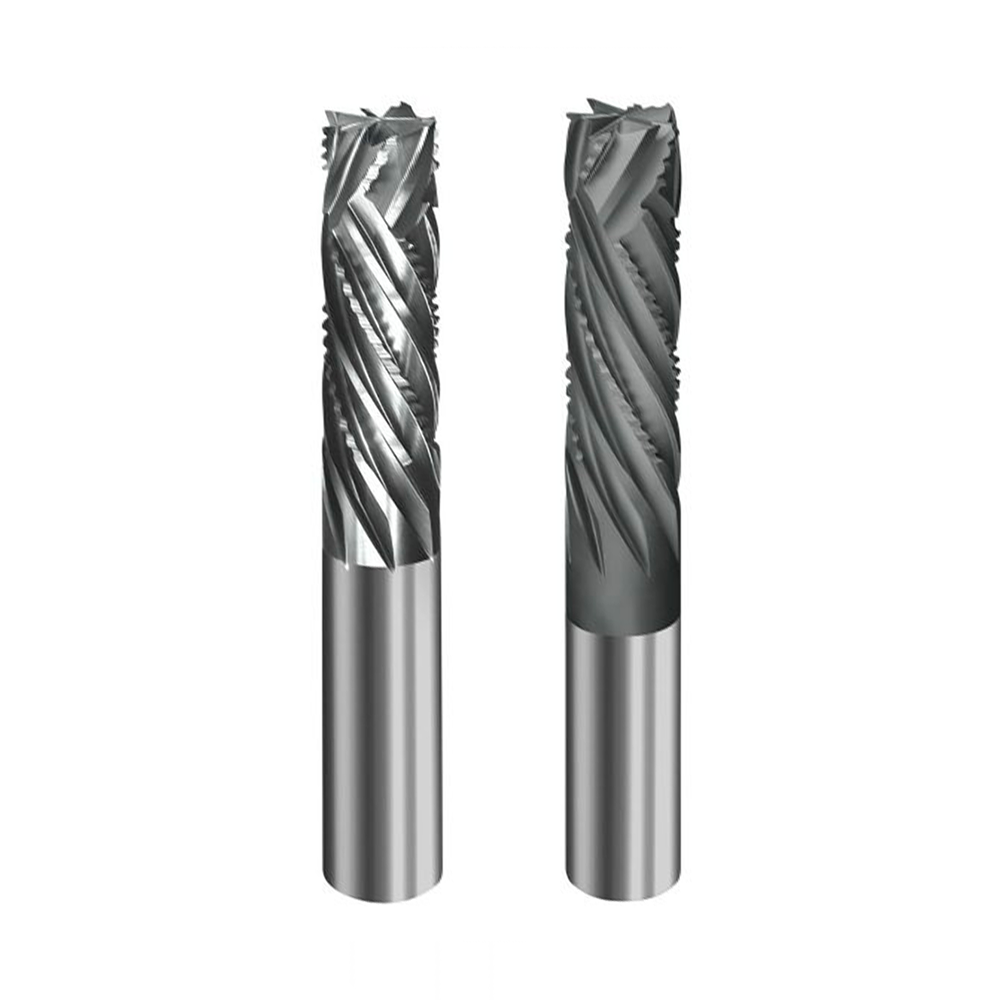
Whether you’re brand new to CNC routing or just looking to better understand your tooling, knowing how router bits work is essential to getting clean cuts, avoiding costly mistakes and extending the life of your tools.
You can browse our range of router bits here.
In this beginner’s guide, we’ll walk through what CNC router bits are, how they work and how to choose the right one for your project.
What is a CNC router bit?
A CNC router bit is the cutting tool that spins in your machine’s spindle to remove material – whether that’s wood, plastic, aluminium or something more exotic. Router bits come in a huge range of shapes and sizes, each designed for different types of cuts: straight passes, slots, pockets, curves, profiles and more.
Unlike general-purpose drill bits, CNC router bits are optimised for side-to-side cutting and controlled toolpaths. They’re designed to work at high speeds (RPM) with accurate feed rates, allowing your CNC machine to cut complex shapes quickly and cleanly.
Anatomy of a router bit
A standard CNC router bit consists of:
- Shank: The part that fits into your spindle or collet – usually 1/4″ or 1/2″ in size (though metric shanks like 6mm or 8mm are also common).
- Cutting edge: The sharpened portion of the bit that removes material.
- Flutes: The grooves that help remove chips from the cut.
- Tip: The bottom of the bit, which may be flat (for surfacing), pointed (for engraving), or shaped (like ball nose or V-bit).
- Coating: Some bits feature coatings like TiN or diamond for longer life and reduced friction.
How router bits work with a CNC machine
As your CNC router moves along programmed toolpaths, the router bit spins at thousands of RPMs to shear away material. The combination of spindle speed (RPM), feed rate (how fast the tool moves), pass depth (how deep each cut is) and bit geometry determines the quality of your cut.
The goal is to remove material efficiently while avoiding burning, chip-out, melting, or breaking the bit. Different materials require different cutting strategies – and the right bit makes a big difference.
Common types of CNC router bits
Here’s a quick overview of common router bit types and their typical uses:
| Bit Type | Description |
| Straight bit | Good for simple slotting and dado cuts, especially in softer materials. |
| Up-cut spiral | Pulls chips up and out of the cut. Ideal for deep cuts but can cause tear-out. |
| Down-cut spiral | Pushes fibres down for a cleaner top edge. Best for laminates and veneered boards. |
| Compression bit | Combines up-cut and down-cut for tear-out-free plywood/MDF cuts. |
| Ball nose bit | Rounded tip for 3D contouring and smoothing. Common in carving. |
| V-bit | Used for engraving and sign-making with crisp corners. |
| Surfacing bit | Wide, flat bit for flattening spoilboards or slabs. |
Get more detail about these in our Guide To Router Bits & Their Uses
Flute geometry explained
The flute is the groove along the cutting edge that carries chips away from the cut. Flute geometry directly affects how the bit performs.
Common flute types:
- Straight flutes – Best for soft materials like wood and MDF. Simple and economical.
Helical (spiral) flutes – Better chip evacuation, smoother finish. Can be up-cut, down-cut or compression. - O-flute – Designed for plastics. Wide, single flute creates larger chip clearance and prevents melting.
- V-flute – Used in engraving and sign-making. Offers a sharp tip for clean corners.
More flutes = smoother cut but faster feed rate
Fewer flutes = slower material removal but rougher finish
Use 1–2 flute bits for soft materials or when clearing lots of material quickly. Use 3–4 flute bits for metal or precision finishing work.
READ: Choose The Best Router Bits By Material – A Guide
Choosing the right bit for your material
The best bit depends not just on the shape of your cut, but on the material you’re cutting. Here’s a quick reference guide:
Recommended router bits by material
| Material | Recommended Bit Type | Feed Rate – Metres a minute | RPM Range | Notes |
| MDF | Compression bit | 6mm dia tool = 11m/m to 14m/m 10mm dia tool = 18m/m to 21m/m | 18,000 RPM | Clean top & bottom faces |
| Acrylic | Single-flute up-cut | 3mm dia tool = 1.3m/m to 2.2m/m 6mm dia tool = 3.6m/m to 4.5m/m | 18,000 RPM | Avoid melting with FAST RPM |
| Aluminium | Single O-flute | 3mm dia tool = 1.3m/m to 1.8 m/m 6mm dia tool = 2.2m/m to 3.2m/m | 18,000 RPM | Use coolant or air assist |
| Plywood | Compression or down-cut | 6mm dia tool = 10m/m to 12m/m 10mm dia tool = 15.5m/m to 18m/m | 18,000 RPM | Prevent edge chipping |
| Corian | Single O-flute upcut | 6mm dia tool = 5m/m to 8m/m 10mm dia tool = 7m/m to 9m/m | 18,000 RPM | Dust extraction important |
Metres per minute; adjust for machine size and rigidity
READ: Choose The Best Router Bits By Material – A Guide
Router bit coatings and materials
Most CNC router bits are made from:
- High-Speed Steel (HSS) – Cheaper, but dulls faster. Good for foams
- Solid Carbide – Tougher and lasts longer. Ideal for hardwoods, MDF and plastics.
- Carbide-Tipped – Steel body with carbide cutting edge. Affordable compromise.
- Diamond-Coated – For industrial use or highly abrasive materials.
Look for coated bits (like TiN or DLC) for reduced friction and longer life, especially in high-speed or heat-sensitive jobs.
Glossary of CNC router bit terms
| Term | Meaning |
| Chip load | The amount of material removed per flute per revolution. Key to cutting efficiency. |
| Pass depth | How deep the bit cuts in one pass. Shallower passes = cleaner cuts. |
| Climb cutting | Bit moves in the same direction as material feed – cleaner but riskier. |
| Conventional | Bit moves against the material feed – safer but more tear-out. |
| Toolpath | The programmed path the bit follows in your CAM software. |
| Collet | The part that holds the bit in the spindle. Choose the correct size for your shank. |
If you’re still not sure, you can give us a call or read Top Tips For Choosing CNC Router Tools
Bit care and maintenance
Your router bit is a precision tool – look after it and it will look after your project.
Tips:
- Clean resin build-up with bit cleaner or isopropyl alcohol
- Check for dull edges or burn marks
- Replace worn or chipped bits early – a dull bit stresses the machine and ruins the cut
- Store bits upright in a case or foam-lined holder to protect cutting edges
Safety tips
- Always secure your material properly before cutting
- Use eye and ear protection – bits can fracture under stress
- Never exceed recommended RPM for the bit size
- Let the bit cool before handling after heavy use
- Always insert the bit fully into the collet, leaving a small gap (approx. 1–2mm) at the base
Router Bit FAQs
What is the difference between a router bit and a drill bit?
A router bit is designed to cut sideways through material along X, Y and Z axes, while a drill bit only cuts vertically (Z-axis). Router bits remove material along toolpaths and are used for profiling, carving and slotting – not just drilling holes.
How long does a CNC router bit last?
Lifespan depends on the bit material, the material you’re cutting and how well you care for the tool. A solid carbide bit cutting wood or MDF may last for weeks or months in regular use, while cutting abrasive materials like carbon fibre or dirty wood can dull bits much faster.
Can I use hand router bits in a CNC machine?
Some hand router bits can be used in a CNC, especially if the shank fits your collet and the bit is properly balanced. However, CNC-optimised bits are usually more durable and designed for continuous use at higher speeds.
What size router bit should I use?
Use the largest bit suitable for the job to improve strength and stability. For fine detail, smaller bits (e.g. 1/8″) offer precision, while larger bits (e.g. 1/2″) are ideal for hogging out material or surfacing.
How do I know if a router bit is dull?
Signs include burn marks, rough or fuzzy edges, increased noise and slower cutting. You may also see excessive tear-out or smell burning material. Dull bits increase wear on your machine and reduce cut quality.
What’s the difference between up-cut, down-cut and compression bits?
- Up-cut: Pulls chips upwards – great chip clearing but may cause top-edge tear-out.
- Down-cut: Pushes fibres down – clean top surface, but less chip removal.
- Compression: Combines both – clean edges top and bottom, ideal for plywood and laminates.
How do I choose the right feed rate and RPM for my bit?
It depends on the bit diameter, material and machine. A good starting point is to use a chip load calculator or manufacturer recommendations. Adjust feed and speed to prevent overheating, bit breakage, or poor finish.
Do router bits need to be lubricated?
Generally not for wood or foam, but yes when cutting metals like aluminium. Use appropriate lubricants or air assist to prevent chips from welding to the bit.
What’s the difference between carbide-tipped and solid carbide bits?
- Carbide-tipped: Steel body with carbide edge – more affordable, slightly less durable.
- Solid carbide: Fully carbide – longer life, better for high-speed precision cutting.
Can I resharpen a router bit?
Yes, especially carbide bits. However, it’s best done by a professional sharpening service. Frequent sharpening can extend bit life and save money over time. But you will lose a bit of the diameter by about 1mm or ½ mm.
What is chip load and why does it matter?
Chip load is the amount of material removed per tooth per revolution. It affects cut quality, tool wear and machine strain. Too little = rubbing/burning; too much = chatter or bit breakage.
Do I need a special bit for cutting plastic or acrylic?
Yes. Use a single O flute or up-cut bit designed for plastics. These reduce friction, remove chips efficiently and help prevent melting.
What type of bit should I use for sign-making or lettering?
Use a V-bit for sharp corners and crisp engraving, or a ball nose bit for rounded or 3D carved lettering and a single O flute up-cut for cutting profiles
How should I store my router bits?
Store bits upright in a foam-lined case or in a rack where the cutting edge won’t knock against other tools. Keep them clean, dry and away from corrosive environments.
Don’t forget, you can browse our range of router bits here.