Dust extraction is not just about keeping a CNC workshop tidy. It affects cut quality, tool life, machine reliability and operator safety.
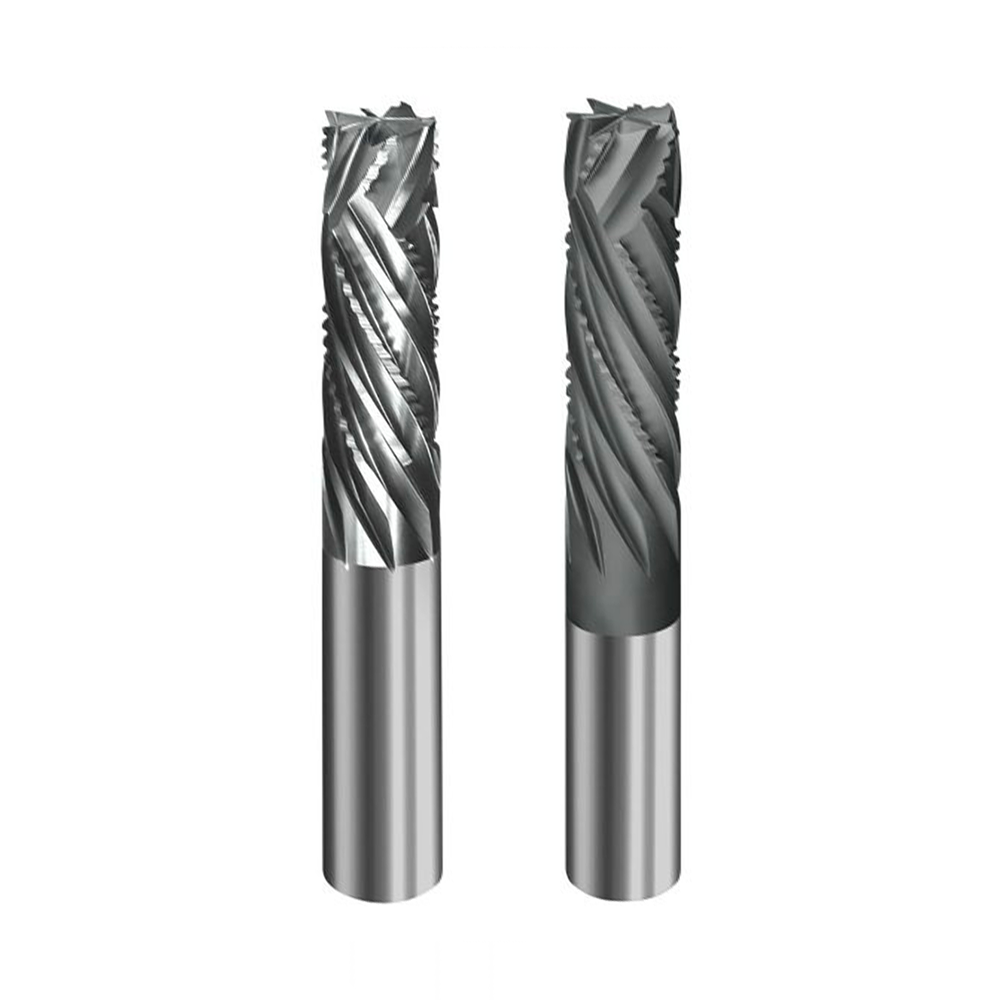
When dust, chips and swarf sit in the cut path, the cutter can recut material it has already removed. This increases heat, clogs flutes, marks the workpiece and accelerates tool wear. Good extraction helps remove that waste from the cutting area and the wider workshop, allowing your router bits and cutting tools to work in cleaner, more consistent conditions.
For professional CNC users, extraction should be treated as part of the cutting process, not just a housekeeping task.
Browse: CNC router bits
What dust extraction actually does
Dust extraction removes waste material from the CNC cutting area and carries it away from the machine. Depending on the setup, this may include larger chips, fine dust, plastic swarf, MDF particles, laminate dust or composite debris.
It is important to separate this from air assist. Air assist directs compressed air at the cutter to move chips away from the cutting edge. Extraction removes dust and chips from the machine and workshop environment.
The two systems can work together. Air assist can help free chips from the cut path, while extraction removes them from the work area. But air assist alone does not capture fine dust, and extraction alone may not clear chips from a deep pocket or groove if the dust shoe cannot reach the cut effectively.
A good CNC setup uses both ideas intelligently: controlled chip movement at the cutter and proper waste capture at source.
Browse: Dust and filter extraction
Read: CNC air assist buying guide
Why poor extraction hurts your tooling and cut quality
A CNC router bit is designed to cut cleanly and evacuate material efficiently. When waste stays around the cutter, performance drops quickly.
The most common issue is recutting. Instead of removing fresh material, the tool passes through loose chips or dust already sitting in the kerf, pocket or groove. This can leave rougher edges, increase heat and make the cutter work harder than it should.
Poor extraction can also clog flutes, especially when cutting MDF, plastics, laminates or resin-rich materials. Once flute space is reduced, chip evacuation becomes worse, heat rises and the tool is more likely to rub instead of cut. In plastics, this can contribute to melting or rewelding. In wood, it can increase burning. In abrasive materials, it can speed up edge wear.
The result is often blamed on the bit, when the real issue is the cutting environment. A sharp, suitable cutter still needs dust and chips to be removed effectively.
Read: Use our feeds and speeds calculator
Components of a good CNC extraction setup
A good extraction setup is not defined by the extractor alone. The dust shoe, hose, ducting, airflow, filtration and maintenance all affect performance.
| Component | What it does | What to check |
| Dust shoe or hood | Captures dust and chips at the cutter | Brush length, cutter clearance, visibility, seal around the workpiece |
| Hose and ducting | Carries waste from the CNC to the extractor | Diameter, length, bends, restrictions and static build-up |
| Extractor or vacuum unit | Creates airflow through the system | Airflow, static pressure, duty cycle, noise and capacity |
| Cyclone or separator | Removes larger chips before they reach the filter | Bin capacity, seal quality and ease of emptying |
| Filtration | Captures fine dust before air returns to the workshop | Filter rating, surface area, cleaning method and replacement cost |
| Airflow monitoring | Shows whether the system is still performing properly | Blocked filters, closed blast gates or reduced suction at the shoe |
For smaller machines, a shop vac or high-pressure extractor may be enough, especially where the hose diameter is small. For larger CNC routers, production cutting or bigger dust shoes, a higher-volume dust collector or centralised system is usually more appropriate.
The key distinction is airflow versus suction. Shop vacs often provide strong suction through smaller hoses. Dust collectors move a larger volume of air through wider ducting. CNC routing often needs both enough capture at the cutter and enough air volume to carry material away without clogging.
Browse: CNC dust hoods
Browse: Fercell dust and filter extraction
Matching extraction to material
Different materials create different extraction problems. The right cutter still matters, but extraction should be chosen around the waste being produced.
| Material | Extraction challenge | Tooling impact |
| MDF | Very fine, high-volume dust | Dust can clog flutes, reduce finish quality and increase heat |
| Plywood and hardwood | Chips, fibres and fine dust | Poor extraction can increase burning and recutting |
| Acrylic and plastics | Static, swarf and warm chips | Waste can cling to the cutter or workpiece, affecting finish |
| Laminates | Fine abrasive dust and brittle chips | Poor clearance can accelerate cutter wear |
| Composites | Potentially hazardous fine particulates | Specialist tooling and high-quality filtration are important |
| Aluminium | Fine swarf and small chips | Recut swarf can mark the finish and increase tool wear |
MDF and wood-based panels usually need strong dust capture because of the volume of fine dust produced. With these materials, the dust shoe and extraction flow are just as important as the cutter choice.
Plastics and acrylic can produce chips or swarf that cling through static or remain warm near the cutter. Extraction helps remove this material from the bed, while air assist may help move it out of the immediate cut path.
Composites and laminates need more care. They can produce fine, abrasive dust that is hard on both tooling and operators. In these cases, extraction quality, filtration and the correct cutter type are all important.
Aluminium is different again. It does not behave like wood dust, and oily swarf or mixed metal dust can create additional handling concerns. Workshops cutting aluminium regularly should make sure their extraction, housekeeping and material separation are suitable for that application.
Browse: Solid carbide V-point bits
Browse: CNC collets
Common extraction problems and what causes them
If extraction performance is poor, the problem is not always the extractor itself. Weak capture at the cutter can be caused by several smaller issues in the system.
Weak suction at the dust shoe often comes from restricted airflow. This may be caused by a hose that is too narrow, too long, kinked or full of tight bends. Every restriction reduces performance at the cutter.
Poor shoe-to-cutter clearance is another common issue. If the brush is too short, too high or poorly sealed against the workpiece, dust escapes before it can be captured. If the shoe sits too low, it may obstruct visibility, interfere with clamps or struggle on uneven material.
Blocked filters can gradually reduce airflow. A system may work well when new, then become noticeably weaker as fine dust builds up in the filter. This is why filter cleaning and maintenance matter.
An undersized extractor can also become obvious during deeper cuts, larger diameter tooling or high-volume MDF cutting. The system may cope with light engraving but struggle when the cutter is producing more waste per pass. If dust remains around the cutter, check the full path: dust shoe, hose, bends, separator, filter and extractor. The weakest point determines the result.
Browse: CNC cleaning kits
Extraction and air assist working together
Air assist and extraction should support each other, not fight each other. If an air nozzle blows chips away from the dust shoe, it may make extraction worse. If the dust shoe blocks the air stream, the nozzle may not help chip evacuation at the cutter.
The best setup directs debris away from the cutting edge and towards the extraction flow.
This is particularly important with acrylic, aluminium, engraving work and pocketing. Air assist can help free chips from the cut, while extraction removes them from the bed. Nozzle angle, air pressure, brush height and hose position may all need adjustment to get the two systems working together.
Health and safety considerations
Wood dust, MDF dust and some composite dusts can be hazardous to breathe. Extraction should therefore be treated as a health and safety control as well as a machining aid.
Respiratory protective equipment may also be needed for certain tasks, especially where fine dust is still escaping or where materials create hazardous particles. Workplace exposure limits and legal duties exist, so professional workshops should take competent advice where required rather than relying on general guidance alone.
Wood dust can also present fire and explosion risks in certain conditions, particularly inside extraction systems where fine particles can accumulate. Good housekeeping, maintained extraction and suitable equipment are important.
Browse: Health and safety products
Buying considerations for CNC extraction
When comparing extraction options, start with the machine size, dust shoe port and material volume.
For many woodworking dust systems, a common rule of thumb is that a 100mm or 4-inch duct needs roughly 300–350 CFM, or about 510–595 m³/h, to keep dust moving effectively. Larger 125mm or 5-inch ports may need nearer 500 CFM or more at the hood, depending on the system. These figures are only a guide because real performance depends on static pressure, hose length, bends, filter condition and the dust shoe design.
Before buying, check:
- The airflow rating at a realistic working pressure, not just the maximum advertised figure
- The dust shoe port size and whether the extractor can support it
- Hose diameter and whether reductions will restrict performance
- Filter rating, especially for fine MDF or composite dust
- Whether a cyclone or separator is needed for chip volume
- Noise level during long CNC jobs
- Bin capacity and ease of emptying
- Whether the system is suitable for fixed ducting or mobile use
- Whether the filter can be cleaned or replaced easily
A small shop vac may be practical for compact CNC machines, occasional work or smaller dust shoes. A larger dust collector is usually better for production routing, MDF, wide dust shoes and longer cutting sessions. For industrial environments, a properly designed extraction system may be required.
Browse: Dust and filter extraction
Final thoughts
Good extraction protects more than the workshop floor. It helps your cutters work properly, improves cut quality, reduces avoidable heat and keeps dust and chips under control.
The right router bit, milling cutter or drilling tool still needs to be chosen for the material. But even the best cutter will perform poorly if it is constantly recutting waste or running in a clogged, dusty cut path.
At The Cutter Shop, we supply CNC router bits, milling cutters, drilling tools and accessories for professional machining applications. If you are trying to improve finish quality, reduce tool wear or choose the right tooling for a specific material, our team can help you find the right cutter for the job.
Browse: CNC router bits
FAQs
Do I need dust extraction if I have air assist?
Yes. Air assist moves chips away from the cutter, but it does not remove dust and waste from the workshop. Extraction captures and removes that material from the machine area.
What CFM do I need for a CNC router?
There is no single figure that suits every CNC router. As a rough guide, a 100mm or 4-inch dust port often needs around 300–350 CFM, but larger machines, wider shoes and longer duct runs may need more.
Can I use a shop vac for CNC extraction?
A shop vac can work on smaller CNC machines or compact dust shoes, especially with shorter hose runs. For larger routers, high-volume cutting or MDF production, a proper dust collector is usually more effective.
Is wood dust actually dangerous?
Yes. Wood dust can affect respiratory health, and hardwood dust is associated with more serious health risks. MDF and composite dusts also need proper control, especially where fine dust is produced regularly.
Why is my CNC still dusty even with extraction?
Common causes include a poorly sealed dust shoe, blocked filters, undersized hose, long duct runs, too many bends or an extractor that cannot move enough air at the cutter.
Should extraction change depending on the material?
Yes. MDF needs strong fine dust capture, plastics may create static and clingy swarf, composites may need better filtration, and aluminium swarf needs careful handling. Match the extraction setup to the waste the material produces.