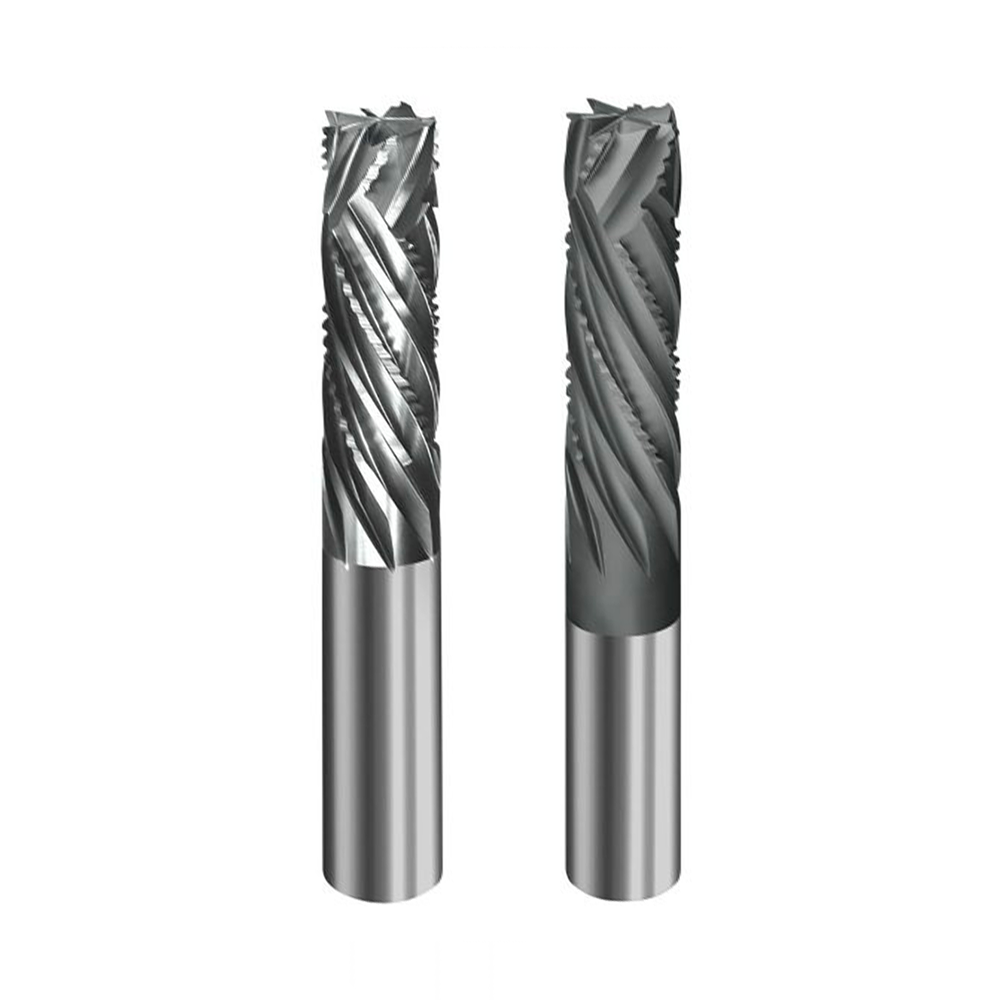
Drilling on a CNC router should be straightforward, yet clean, round, repeatable holes depend on the details many shops overlook. The drill you choose, the runout you tolerate and how you evacuate chips will decide whether you get crisp entry edges and tidy exits – or breakout, ovality and heat-marked bores.
This guide focuses on the tooling decisions that move the needle: which drill geometries suit wood, plastics and aluminium, how to set feeds, speeds and peck cycles on a router and the simple workholding and backing tricks that prevent tear-out. Use it to pick the right tool first time and programme holes that look as good as they measure.
READ: Choose the best router bits by material – a guide
When to drill and when to interpolate
There are two reliable pathways to a round hole on a router:
- True drilling with a twist drill, brad-point, Forstner or speciality bit is fast and self-guiding, especially for small diameters and deeper holes. It excels when the hole size is standard and you have the correct drill on hand.
- Interpolating a hole with a centre-cutting end mill gives you any diameter your CAM can program and often a superior bore finish and positional accuracy in metals and plastics. It is slower but avoids the runout sensitivity of tiny drills.
As a rule, drill for speed and straightness in wood and composites and interpolate when you need a specific diameter, a flat bottom, or you are working in metals where runout and chip control are critical. For tight tolerances, consider boring after interpolation and reaming as a final sizing step.
READ: What is the difference between an upcut and downcut bit?
Choosing the right drill for the job
Different materials demand different geometries. Select for entry quality, chip evacuation and resistance to heat or cracking.
Wood and wood-based boards
- Brad-point (lip-and-spur): Spurs score the fibres before the lips cut, producing clean entry with minimal tear-out. Ideal for hardwoods, ply and veneers.
- Forstner and saw-tooth Forstner: Flat-bottom holes, overlapping pockets and large diameters in solid timber or ply. Best used at lower RPM with steady feed; keep them sharp.
- Hinge/cup drills (35 mm etc.): Carbide-tipped tools purpose-designed for cabinet hardware; run at modest RPM with firm backing to prevent exit breakout.
- Compression-style drills: For coated or veneered boards, special geometries mimic compression cutters to keep both faces clean.
Plastics
- Single-flute acrylic drills / polished O-flute drills: Zero or low rake to prevent grabbing, with highly polished flutes to shed chips that would otherwise melt. Run higher chip loads and moderate RPM to form chips not dust.
- Step drills for thin sheet: Reduce cracking and chipping, producing round holes without snatching.
Aluminium and non-ferrous metals
- Stub-length (jobber-short) carbide twist drills: Shorter equals stiffer and more accurate. Choose 118–130° split points with polished flutes for good centring and chip flow.
- Coolant-through carbide (if your machine allows): Superb chip evacuation in deeper holes; otherwise pair standard drills with a directed air blast or mist.
Laminates and fragile face materials
- Brad-point or downcut entry tools on the show face and backing boards underneath are your allies. For very brittle surfaces, consider a small pilot and a gentle feed reduction at breakthrough.
READ: Top tips for choosing CNC router tools
Geometry that affects hole quality
A few features make a disproportionate difference to the result.
- Point angle: 118° is an all-rounder for wood and general drilling; 130–135° split points reduce walking and cutting forces in metals. Larger angles reduce breakout on thin stock.
- Split point vs standard: Split points self-centre and reduce thrust, which helps on routers where quill stiffness is lower than on VMCs.
- Parabolic flutes: Deeper, more open gullets for improved chip evacuation in deep or gummy holes; common on aluminium-specific drills.
- Margins and lands: Narrow bearing bands that guide the drill; too wide and they rub, too narrow and guidance suffers.
- Length: Stub beats jobber on routers. Less stick-out equals less runout and deflection, which equals rounder holes.
Shank, collet and runout control
A perfect drill used with a tired collet produces imperfect holes. Control the interface and results improve immediately.
- Match shank and collet size precisely. Never clamp a 6 mm shank in a ¼” collet or vice versa.
- Use balanced collet nuts and replace ER collets on a schedule (many shops change them every 400–600 hours or after a crash). Inspect for nicks and bell-mouthing.
- Keep tool stick-out minimal. Seat the drill deep enough to support the shank while maintaining clearance to the collet nut.
- Target TIR (runout) at the drill shank of ≤0.02–0.03 mm for small drills; even 0.05 mm runout can destroy micro tools and ovalise bores.
- Cleanliness matters. Dust or chips between shank, collet and nut will exaggerate runout and let the tool creep.
Feeds, speeds and pecking strategy
Routers run high RPM and have lighter spindles than mills, so drilling recipes are slightly different. Think in feed per revolution rather than just mm/min to keep chips healthy.
USE: Feeds and Speeds Calculator for CNC machine tools
General guidance
- Wood and boards: Higher feed per rev, moderate RPM; evacuate dust, support the exit face.
- Plastics: Moderate chip load, modest RPM; avoid rubbing and heat; clear chips frequently.
- Aluminium: Lower RPM than wood, positive f/rev; use air blast or mist; peck to evacuate chips in deeper holes.
Baseline starting points (guide values)
Assumes sharp carbide drills and good workholding. Adjust for diameter, depth and rigidity.
| Material | Ø3 mm | Ø5 mm | Ø8 mm | Notes |
| Birch ply / hardwood | 12–20k RPM, f/rev 0.06–0.10 → 720–2,000 mm/min | 10–16k RPM, f/rev 0.08–0.14 → 800–2,240 | 8–12k RPM, f/rev 0.12–0.20 → 960–2,400 | Backer board; brad-point for clean entry |
| MDF / laminate | 12–18k, 0.08–0.12 | 10–14k, 0.10–0.16 | 8–12k, 0.14–0.22 | Very abrasive; consider carbide-tipped |
| Cast acrylic / PC | 8–12k, 0.05–0.10 | 6–10k, 0.06–0.12 | 5–9k, 0.08–0.14 | O-flute drills; short pecks; avoid heat |
| Aluminium 6082/6061 | 6–10k, 0.04–0.08 | 5–8k, 0.05–0.10 | 4–7k, 0.06–0.12 | Stub drills, split point; air/mist; peck |
Convert feed per rev to feed rate with Feed = RPM × f/rev.
Pecking
- Wood/boards: Usually no peck unless chips pack; use a single retract for deep holes.
- Plastics: Short, frequent pecks (e.g., 0.5–1 × diameter) with a brief dwell or air blast to cool and clear.
- Aluminium: Peck every 1–2 × diameter; retract clear of the mouth to blow chips away; keep pecks brisk to avoid rubbing.
Breakthrough control
Reduce feed by 30–50% for the last 0.2–0.5 mm before the tool exits to prevent breakout. A sacrificial backer or tightly clamped spoilboard flush to the underside is the simplest way to get a clean exit.
Cooling, lubrication and chip evacuation
You do not need flood coolant to drill clean holes, but you do need to manage chips and heat.
- Directed air blast is the default on routers. Aim the nozzle so it clears the flute mouths at the hole entrance.
- Mist/MQL is highly effective in aluminium and in tough plastics; a small, well-aimed spray dramatically reduces built-up edge and squeal.
- Wax/lube sticks applied to the lips can help in occasional aluminium work without a mist system.
- Extraction must suit metallic swarf if you drill metals; avoid drawing mist into wood dust systems.
Workholding and backing strategies
Good support is half the battle for clean holes.
- Backer boards prevent exit breakout in wood, laminates and plastics. Use MDF, phenolic or acrylic scrap and make sure there is zero gap under thin sheet.
- Clamp or vacuum close to the drilling area to minimise panel flutter. Avoid drilling near unsupported edges without tabs or fixturing.
- Align veneers and face materials so the show face is drilled with the most appropriate geometry (for example, brad-point on entry).
Material-specific notes and recipes
Birch ply and hardwoods
- Tools: Carbide brad-point for through-holes; Forstner for flat-bottom counterbores.
- Tips: Pre-score with a shallow pilot if veneers are fragile. Use a rigid backer and reduce feed at breakthrough.
- Example (Ø5 mm brad-point): 12,000 RPM, f/rev 0.10 → 1,200 mm/min, no peck, −40% feed on breakthrough.
MDF and laminates
- Tools: Carbide brad-point or dedicated laminate drills; PCD for high-volume production.
- Tips: MDF is abrasive; keep tools sharp and extraction strong. A backer and climb-milled countersink finish improve edge quality.
- Example (Ø8 mm): 10,000 RPM, f/rev 0.16 → 1,600 mm/min, light peck if dust packs.
Cast acrylic and polycarbonate
- Tools: Single-flute acrylic drills or polished O-flute; avoid standard twist drills which can grab and crack.
- Tips: Moderate RPM, healthy chip load, frequent short pecks and an air blast. Blue tape and CA tricks under thin sheet help the exit.
- Example (Ø5 mm O-flute): 8,000 RPM, f/rev 0.08 → 640 mm/min, peck 0.5 × D, brief air burst each retract.
Aluminium 6082/6061
- Tools: Stub-length carbide, 130° split point, polished flutes; ZrN/DLC optional.
- Tips: Air blast or mist; peck every 1–2 × D; ramp or helix if interpolating bores; reduce feed near breakthrough.
- Example (Ø5 mm): 6,000 RPM, f/rev 0.08 → 480 mm/min, peck 1 × D, mist on, −30% feed on exit.
Spotting, piloting and finishing holes
- Spot drills vs centre drills: On routers, a short spot drill at the same point angle as the drill improves centring without the fragility of centre drills. Use it where positional accuracy is critical or surfaces are sloped.
- Pilots: Helpful for large diameters in hard materials. Keep pilots small (≈30–40% of final diameter) to leave the main drill enough material to guide itself.
- Reaming: For H7-style tolerances and superior finish, interpolate slightly undersize, then ream with a lubricated, straight-flute reamer at slow feed and appropriate RPM.
- Counterboring/countersinking: Use dedicated tools; set depth precisely. For aluminium, climb-milled countersinks deliver brighter, burr-free chamfers.
Clean entry and exit techniques
- Tape and CA for brittle plastics: Apply masking tape on both faces and use a thin CA layer to bond to the backer; drill through, then release with solvent.
- Feed reduction at breakthrough: Program a short Z-height zone with a lower feed to avoid tearing.
- Chamfer after drilling: A light deburr with a V-bit or countersink eliminates micro-chipping and sharpness.
- Pilot holes for screws in ply: Use brad-point and a backer; add a countersink to prevent veneer lift when driving screws.
Interpolating round holes with an end mill
When hole quality or diameter flexibility matters, a centre-cutting end mill is often the better choice.
- Tool: Two-flute or single-flute end mill appropriate to the material (polished flutes for aluminium and plastics).
- Entry: Ramp or helix to depth; avoid plunging.
- Strategy: Circular pocket with a small radial step (5–15% D) to size; finish with a spring pass at full depth and higher feed for roundness.
- Parameters: Use your standard pocketing chip loads; add a light chamfer pass with a V-bit for a clean mouth.
Troubleshooting guide
| Symptom | Likely cause | Fix (tooling first) |
| Tear-out on entry | Wrong geometry; dull lips; excessive RPM | Switch to brad-point or spot first; sharpen/replace; reduce RPM and increase f/rev |
| Breakout on exit | No backer; high feed at breakthrough | Add rigid backer; −30–50% feed in last 0.5 mm |
| Oval holes | Runout; long stick-out; flexible setup | Replace collet; shorten drill; use stub length; improve clamping |
| Squeal / chatter | Rubbing (low f/rev); high RPM; dull tool | Increase f/rev or reduce RPM; sharpen/replace; use mist/air |
| Melted chips (plastics) | Heat build-up; poor evacuation | Lower RPM; increase f/rev; short pecks; polished O-flute; air blast |
| Aluminium welding to lips | No mist/air; poor flute polish; low f/rev | Add mist or air; use polished/ZrN/DLC drills; increase f/rev; peck |
| Drill walking off position | No spot; blunt point; surface slope | Spot drill; ensure split-point; start perpendicular surface |
| Poor size control | Excess runout; jobber-length deflection | New collet; stub drills; interpolate and bore/ream if needed |
Recommended tooling categories from The Cutter Shop
- Carbide brad-point drills for hardwood, ply and veneered boards (clean entry and exit with a suitable backer).
- Carbide Forstner and hinge/cup drills for flat-bottom holes and cabinet hardware; saw-tooth options for engineered boards.
- Polished O-flute plastic drills for acrylic, polycarbonate and ABS; step drills for thin sheet.
- Stub-length split-point carbide drills for aluminium, with ZrN or DLC where adhesion is a risk; parabolic flutes for deeper holes.
- Countersinks and counterbores matched to fastener standards; spot drills in common point angles.
- ER collets, balanced nuts and collet care kits to control runout and extend tool life.
If you are unsure which drill suits a specific material, diameter and depth, share the details of your router (spindle RPM range, collet system), workholding and cooling method; we will recommend a tool and starting recipe that matches your setup.
Safety and housekeeping
Drilling generates sharp chips and fine dust. Wear appropriate eye and hearing protection, manage swarf with brushes or vacuums rather than hands and keep extraction systems maintained and compatible with any mist you use. Aluminium and fine dust can present a fire risk; keep the work area clean and never allow hot chips to accumulate around combustible dust.
Final checklist
- Correct drill geometry and point angle for the material.
- Fresh, correctly sized ER collet and balanced nut; minimal stick-out.
- Backer board flush under thin or fragile stock.
- Appropriate RPM and feed per rev; peck cycle set where needed.
- Air blast aligned; mist on for aluminium or tough plastics.
- Feed reduction programmed for breakthrough.
- Datum and Z verified; clamp or vacuum close to the drilling area.
With the right bit, a clean interface in the spindle and deliberate chip management, your router will drill holes that measure well and look even better – consistently, quickly and without drama.
READ: Which router tools cut which common materials?